
For people who are incarcerated, reading offers exposure to new ideas and opportunities for reflection and growth. In particular, the experiences of formerly imprisoned people who changed the course of their lives due to their access to books can illuminate a pathway to rehabilitation.
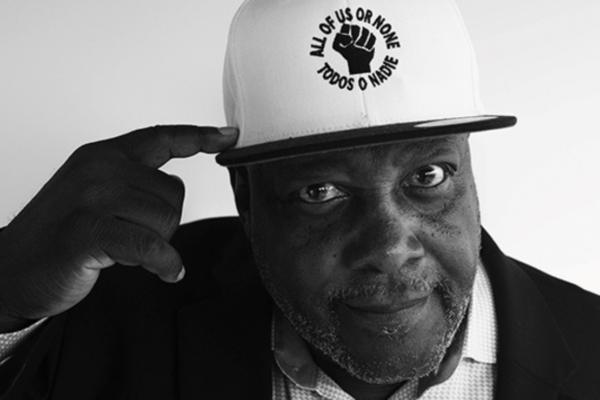
So, we were disappointed when the California Department of Corrections and Rehabilitation (CDCR) banned Dorsey Nunn’s memoir, “What Kind of Bird Can’t Fly.” Nunn, who spent a decade in San Quentin as a young adult, is a longtime community organizer and advocate for rehabilitation and reentry. In his book, Nunn poignantly describes his life experiences and reflects on accountability, personal transformation, and the process of rebuilding one’s life after prison.
In February, we sent a letter urging CDCR to remove Nunn’s book from the list of disallowed publications. “In short, ‘What Kind of Bird Can’t Fly’ is precisely the type of reflective and empowering literature that should be available to people in California’s prisons. Allowing access to this book would be consistent with California’s stated commitment to rehabilitation, education, and the dignity of those in its custody,” we wrote.
While we acknowledge the agency’s discretion in determining appropriate reading material, we noted that books by Black authors are disproportionately prohibited. We also reminded CDCR that state law requires transparency regarding its decisions and requested that the agency turn over to Nunn’s publisher all records and materials it relied upon in evaluating his book. We hope CDCR will reconsider its decision and provide access to this important work.