
News & Commentary
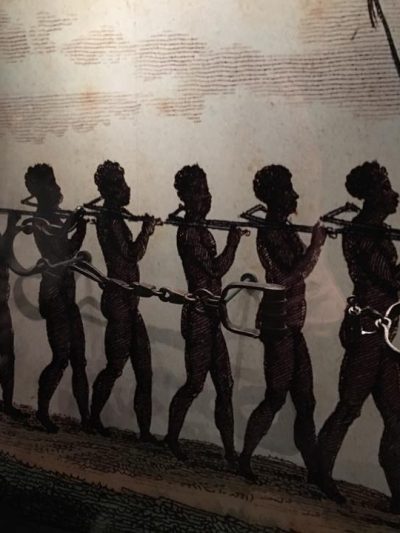
Standing on the Shoulders of My Ancestors: My Journey through the National Museum of African American History and Culture
On opening day of the Smithsonian’s National Museum of African American History and Culture in D.C., I crossed the threshold with a memory deeply embedded in my psyche.
Making Things a Little Fairer in California, One Bill at a Time
California now has some of the strongest protections against policing for profit in the country. Although we had several legislative successes this year, two important, ACLU-sponsored bills died in the Legislature.
California is One Signature Away From Reining in Policing for Profit
Throughout the nation, police officers are legally allowed to take and keep your cash and property - even if you are never charged or arrested for a crime. All it takes is officers claiming they think your belongings were obtained through illegal means.

#FreedomNow: Global Call to Action 7.21
We support the Movement for Black Lives and the collective #FreedomNow actions taking place globally on Thursday, July 21. Join us at a protest or take these online actions to show your support.
By ACLU of Northern California

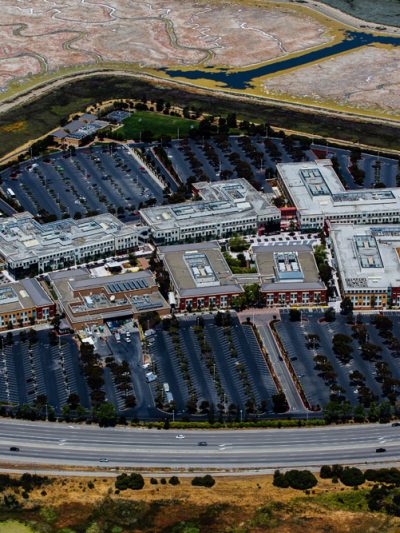
Facebook's Expansion Plans Could Displace Thousands in Menlo Park
Facebook’s proposed headquarters expansion would inject tens of thousands of new workers into one of the tightest housing markets in the country, yet its environmental study denies any impact on housing demand or displacement pressures.
Federal Judge Confirms that San Francisco Police Target Black People in Drug Law Enforcement
On Thursday a federal district court judge found substantial evidence that San Francisco police officers and federal Drug Enforcement Administration (DEA) agents specifically singled out Black people in the Tenderloin neighborhood for federal drug law enforcement.
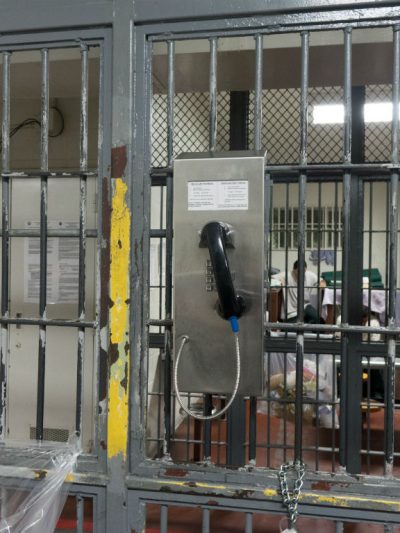
Forget About Calling A Lawyer Or Anyone at All if You’re in an Immigration Detention Facility
This piece originally appeared at The Huffington Post.
Fresno Looking for New Ways to House Discriminatory Practices
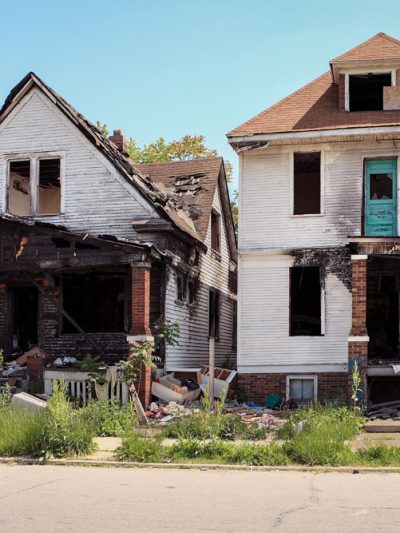
The slum housing crisis in Fresno is a crisis of poverty and racism. Yet today, the Fresno City Council will vote on an overly broad and vague "nuisance" ordinance that will only open the door to more discrimination.
ACLU Report: Asset Forfeiture Takes Wealth from Communities of Color
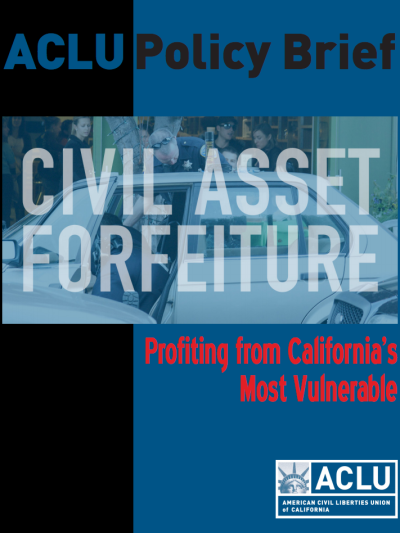
Did you know that in 2014 police took more property from people in the U.S. than burglars did? Frightening, but absolutely legal. A new ACLU of California report finds that, although this tactic of policing for profit can impact all types of innocent people, folks of color and poor people bear the heaviest burden.
Stay Informed
Sign up to be the first to hear about how to take action.
By completing this form, I agree to receive occasional emails per the terms of the ACLU’s privacy statement.
By completing this form, I agree to receive occasional emails per the terms of the ACLU’s privacy statement.