
News & Commentary
SFPD Agrees to Stop Warrantless Cellphone Searches
The San Francisco Police Department has agreed to stop warrantless searches of cellphones of people who are arrested. This is the result of a settlement announced today in the ACLU-NC's lawsuit against SFPD over this practice.
By Michael T. Risher

Supremes Update Fourth Amendment for Digital Era
The United States Supreme Court unanimously acknowledged what common sense tells us and everyone who owns a cell phone (yes, that would be just about everyone) already knows: Our cell phones have a whole lot of private information about us. The Court therefore held that cops need a warrant to search a cell phone.
By Linda Lye

One Year After Snowden, Local Surveillance Remains Shrouded in Secrecy
One year ago today, whistleblower Edward Snowden confirmed that the NSA was secretly engaged in a massive program of warrantless surveillance of the American people. Since then, the ACLU has worked both in the courts and in Congress to halt the agency’s abuses of power and violations of our constitutional rights. But the NSA isn’t the only agency guilty of dragnet surveillance without oversight. State and local governments have adopted surveillance technology at an astonishing rate, often without the public’s oversight and approval, and in some cases even hiding their use from the courts. Just like the NSA, our state and local agencies need to be transparent and accountable to the people they serve.
By Nicole A. Ozer

Laboratories of Transparency: The FTC’s Data Broker Report and the Role States Can Play
As technology advances and it becomes easier to amass consumers’ personal information, these state-driven solutions will be essential to ensuring our privacy is not left behind.

San Francisco - Paying the Price for Surveillance Without Safeguards
Last week’s decision by a federal appeals court allowing an expensive and multi-year lawsuit to go forward against San Francisco is a reminder of the immense cost—both to civil liberties and the public fisc—that can follow a community’s failure to have a thorough public discussion about surveillance technology and adopt legally enforceable safeguards if it is going to be used.
White House Big Data Report Released: Time to Move Forward
Exciting news. The White House Big Data Report, Big Data: Seizing Opportunities, Preserving Values, was released today. While it does not address all of the ACLU’s concerns, the report recognizes the importance of moving forward on several legal and policy areas that have been a focus of our work here in California for several years.
By Nicole A. Ozer

Breaking: Documents Reveal Unregulated Use of Stingrays in California
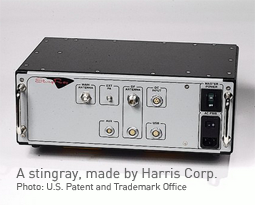
Local law enforcement agencies across the Bay Area have so-called stingray devices, a powerful cellphone surveillance tool, and more are planning to acquire the technology, according to public records recently obtained by Sacramento News10. The devices are highly intrusive and completely unregulated.
By Linda Lye
Unchecked Mass Surveillance of the Entire City of Oakland is Not OK
The ACLU of Northern California sent this letter urging the Oakland City Council not to approve the Domain Awareness Center (DAC), Phase 2 Contract. The resolution does not reflect the views of City Councilmembers, missing key facts and legal info interfere with meaningful oversight by the Council, and there are concerns with federal access to DAC data under the Patriot Act.
By Linda Lye

Protect Our Privacy – Protect Our Metadata
Government agencies from the NSA to local law enforcement have taken advantage of weak protections for “metadata” to build huge databases about ordinary Americans. In response, the ACLU of California today released “Metadata: Piecing Together a Privacy Solution,” a new policy paper that offers a way forward.
By Chris Conley

Stay Informed
Sign up to be the first to hear about how to take action.
By completing this form, I agree to receive occasional emails per the terms of the ACLU’s privacy statement.
By completing this form, I agree to receive occasional emails per the terms of the ACLU’s privacy statement.