
News & Commentary
VICTORY! Richmond, CA Passes New Affordable Housing Law for Formerly Incarcerated People
Finding affordable housing is tough. Finding affordable housing when you’re returning home after serving time is nearly impossible. Last night, the Richmond City Council passed a historic law to protect the rights of people who are re-entering society and find themselves excluded from housing opportunities because of their criminal record.
By Nayna Gupta

Twitter Cuts Off Fusion Spy Centers’ Access to Social Media Surveillance Tool
As of this week, Twitter has made sure that federally funded fusion centers can no longer use a powerful social media monitoring tool to spy on users. After the ACLU of California discovered the domestic spy centers had access to these tools, provided by Dataminr (a company partly owned by Twitter), Dataminr was forced to comply with Twitter’s clear rule prohibiting use of data for surveillance.
By Nicole A. Ozer

Client Stories: Illegal Caltrans Sweeps of Homeless Encampments
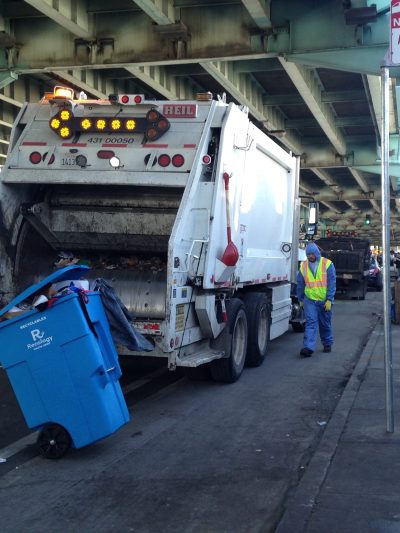
Sometimes the trucks arrive early. Sometimes they come with no notice at all. Sometimes, while workers from the California Department of Transportation make their way down the row of tents—seizing property and cherished belongings—people have mere minutes or seconds to grab everything they can carry before their bedding, clothes, tools, bikes, medicine, food, shelter, and other property are thrown into a Caltrans trash compactor and destroyed.
By Michael T. Risher
Affordable Housing is a Civil Right
A coalition of community groups recently announced a groundbreaking partnership with Facebook and the cities of East Palo Alto and Menlo Park to address affordable housing, displacement, and economic opportunity in the region.
By Novella Coleman

Young Minds Should Be Filled With Knowledge, Not Chemicals. Pesticide Spraying Must be Regulated.
Almost 30 years ago, a study showed that people of color were more likely to live near incinerators. Since then, the dangerous conditions and exposure to environmental dangers have gotten worse. In California, CalEnviroScreen data recently demonstrated that race and environmental harms are directly correlated. Considering this, it’s alarming to think that a California agency that has the opportunity to minimize the harmful environmental exposure of pesticides to students of color, is instead suggesting weak protections.
By Abre' Conner

Know Your History? The ACLU of Northern California, Protecting Your Rights for Decades - #ACLUTimeMachine
By Gigi Harney

The Obama Administration Is Allowing Religious Organizations to Restrict Health Care for the Most Vulnerable, but We Just Won the First Round
When she was 17 years old, Rosa* fled her home country and came to the U.S. seeking a better life. As she made her way across the border, she was raped. After she arrived in the U.S. alone, she was taken into federal custody and then placed with a Catholic organization that receives taxpayer money to provide services to young women like Rosa.
By Brigitte Amiri


Stay Informed
Sign up to be the first to hear about how to take action.
By completing this form, I agree to receive occasional emails per the terms of the ACLU’s privacy statement.
By completing this form, I agree to receive occasional emails per the terms of the ACLU’s privacy statement.