News & Commentary
Reader Privacy Act Signed into Law
On Sunday, California Gov. Jerry Brown signed the Reader Privacy Act of 2011, giving Californians strong legal protection for records of their reading habits in the country. Thanks to everyone who wrote to their legislators and the governor in support of the Act!
By ACLU of Northern California

Free Speech in Pleasanton's Virtual Town Square
BART's shutdown of wireless service last month in response to a planned protest—and the ensuing public backlash—underscored just how essential wireless access has become to our daily lives. Nearly 50 million of us carry smartphones, and we do so because we want to access the full range of ideas and information available on the Internet not just at home or the office but also when we're out and about. And we have the constitutional right to do so when the government sets up a communications service: the First Amendment applies online just like it does offline.
By Linda Lye
ACLU Wins Round in Battle Against Warrantless Cell Phone Location Tracking
By Jay StanleyACLU National Office
By ACLU of Northern California
Reader Privacy Act Heads to Governor's Desk!
The Reader Privacy Act has passed the California legislature with a strong bipartisan vote in both the Senate and Assembly and is now headed to Governor Brown's desk.
By Nicole A. Ozer
Reader Privacy Act Catapults Out of California Assembly!
Today, California lawmakers took an important step towards updating reader privacy for the digital age. The California Assembly passed the Reader Privacy Act of 2011 (SB 602) with a strong bipartisan vote of 60-13.
By Nicole A. Ozer
ACLU Guide to New Facebook Privacy Controls
Today Facebook is rolling out a series of changes to its privacy controls. We reviewed the changes in detail on Tuesday; now here's how you can take advantage of these changes:
By Chris Conley
Cell Phone Censorship in San Francisco?
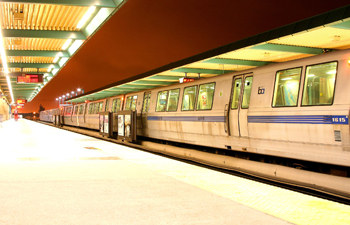
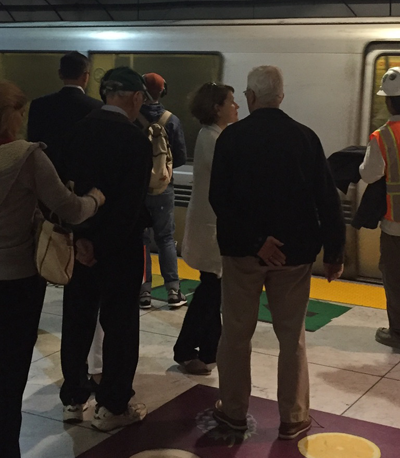
Quick quiz: where did a government agency shut down cell service yesterday to disrupt a political protest? You wouldn't expect the answer to be San Francisco, but that's exactly what happened on Aug. 12, 2011. BART blocked cell service on trains and platforms in San Francisco after notifying riders that there might be demonstrations near Civic Center.
By Michael T. Risher
You've Been Tagged on Facebook - But Now You're in Control
This morning, Facebook announced its latest set of changes to its privacy controls that will start rolling out on August 25. The upcoming changes are intended to make it easier for you to understand and choose who can see both content you post yourself and tags created by other users. Allowing you to pre-approve tags and giving you better tools to manage your own profile is a positive step, and we encourage Facebook to turn settings like these on by default and to continue to develop and improve features and tools that give you control over your own personal information.
By Chris Conley
No More Cell Phone Censorship on BART
BART is the first known government agency in the United States to block cell service in order to disrupt a political protest. In this case the demonstration was to protest the recent fatal shooting of a passenger by BART police. Pulling the plug on cell phones is the wrong response to political protests, whether it's halfway around the world or right here at home.
By Nicole A. Ozer
Stay Informed
Sign up to be the first to hear about how to take action.
By completing this form, I agree to receive occasional emails per the terms of the ACLU’s privacy statement.
By completing this form, I agree to receive occasional emails per the terms of the ACLU’s privacy statement.