
News & Commentary
President-Elect Trump Will Soon Have the Keys to the Surveillance State
On January 20, President Obama will hand Donald Trump the keys to the surveillance state. What can you do to protect against government spying?

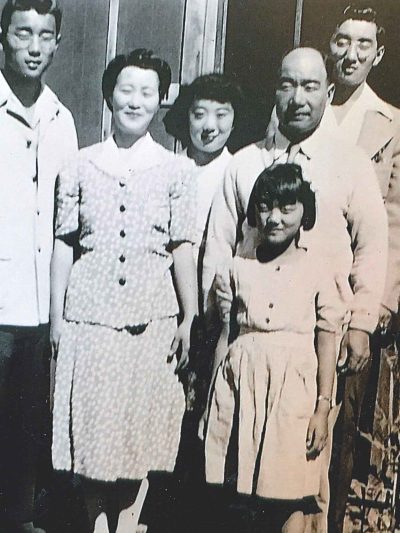
Lessons from Internment: Racial and Religious Profiling Are Never Warranted
My mother was seven years old when she and her family were evacuated from the West Coast and forced to live in an Army barrack behind barbed wire in an internment camp in Heart Mountain, Wyoming. Born in Los Angeles, she had been taught in school to be a proud and loyal American citizen, so the wholesale exclusion and relocation of her community was both terrifying and confusing. On the journey to Wyoming, the prisoners were ordered to keep their shades down when the train passed through towns; my mother thought this must be because people hated her and her community so much that they didn’t want to see their faces. She was incarcerated at Heart Mountain for three years before she and her family were permitted to return to their home in Los Angeles.
The ACLU Responds to the Potential Nominations of Sen. Sessions for Attorney General and Rep. Pompeo for CIA Director
As a matter of organizational policy, the ACLU doesn’t take a position supporting or opposing presidential or judicial nominations. We do, however, educate the American people and the Congress about nominees’ records and past positions.

Being a Breastfeeding Parent Shouldn’t Mean Choosing Between a Career and Your Health
Over the summer, new mom Jessica Campbell registered for her daylong veterinary licensing exam at a Prometric testing facility. She found out that during the seven-and-a-half-hour test, she would only be given 45 minutes of break time. Normally, this time can be distributed throughout the day for lunch, restroom breaks, and studying. But as a breastfeeding mom, Jessica would have to set aside a large chunk of it to pump breast milk. Even with medical grade equipment, the process can take 30 minutes, leaving breastfeeding test takers with only 15 minutes for all of the other necessary break activities.

The ACLU Is Receiving an Outpouring of Support. Here’s Our Plan.
Since Election Day, the ACLU has seen a renewed sense of urgency from hundreds of thousands of Americans to protect civil liberties.

Post-Election Protesting? Know Your Rights to Demonstrate – #ACLUTimeMachine
Rallying in response to the news of Donald Trump’s election? Read, print, and share our new demonstrators’ rights wallet cards.

Catholic Hospitals Denied These Women Critical Care. Now They’re Speaking Out.
I’m heartbroken and in awe. Woman after woman has come forward to tell us her story of being denied critical reproductive health care at a Catholic hospital.
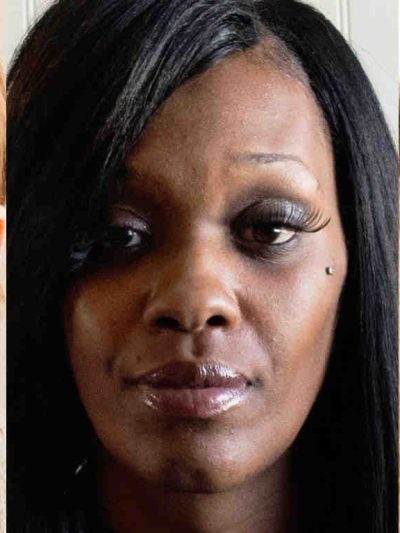
Since When Did Police Officers Replace the Principal’s Office?
Back in the day, a student who broke school rules or otherwise misbehaved would be reprimanded by a teacher or sent to the principal’s office. But today, school administrators are increasingly relying on law enforcement to keep students in line, and the results can be dire.

Stay Informed
Sign up to be the first to hear about how to take action.
By completing this form, I agree to receive occasional emails per the terms of the ACLU’s privacy statement.
By completing this form, I agree to receive occasional emails per the terms of the ACLU’s privacy statement.