
News & Commentary
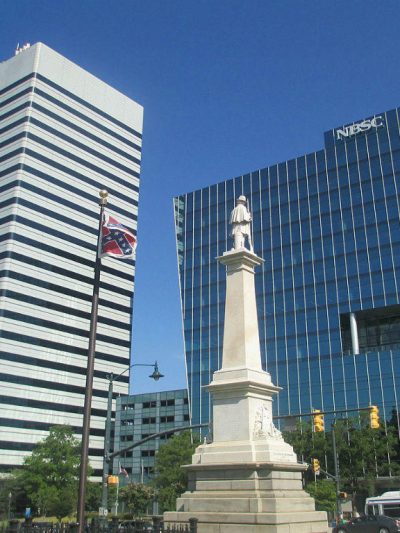
Why Texas Is Wrong and South Carolina Is Right on the Confederate Flag
This piece originally appeared at PostEverything on washingtonpost.com.
By Lee Rowland
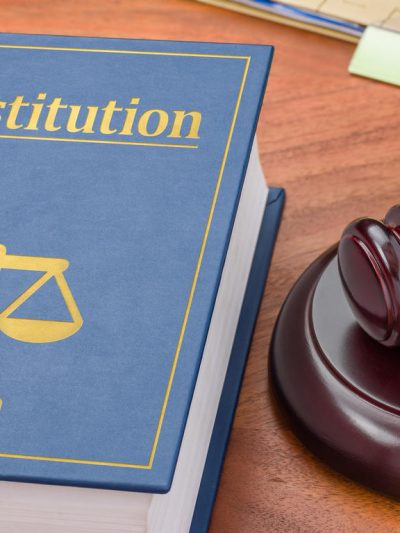
Constitutional Fail: Fresno County's Public Defense System is Broken
While the criminal justice system’s primary aim is to further public safety, all too often it is co-opted to perpetuate the history of racial inequality and economic injustice in the United States. Conscious and unconscious racial bias can impact every part of the criminal justice system, from initial stops and arrests, to bail decisions, charging practices, plea bargaining, sentencing, and time in jail.
By Novella Coleman

What Went Wrong with the Case of Francisco Lopez-Sanchez
The tragic shooting of Kate Steinle in San Francisco has focused national attention on why her accused assailant, Francisco Lopez-Sanchez, was released from the San Francisco Sheriff’s Department’s custody in April and not deported. U.S. Immigration and Customs Enforcement and others have rushed to cast blame on the sheriff’s department for Ms. Steinle’s death. But this horrible and apparently random act of violence shouldn’t be used to push a political agenda.
By Jennie Pasquarella, Kate Desormeau
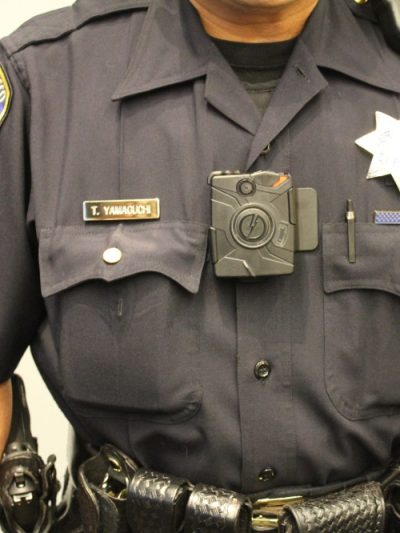
San Francisco Needs to Take a Closer Look at Its Body Camera Plan
San Francisco, like many local communities, is considering the use of police body worn cameras, and the Board of Supervisors recently allocated $6.6 million for their purchase pending approval of a use policy. But for body cameras to deliver on their promise of accountability and promote public trust, there must be transparency and public trust in both the process that leads to a decision to adopt them and the policy that may ultimately govern their use. That's why the ACLU of California, joined by the Council on American-Islamic Relations and Color of Change, sent a letter today detailing our concerns with the transparency and effectiveness of the process so far and the provisions of the July 9, 2015 draft policy.
By Nicole A. Ozer
VICTORY! Federal Judge Deep-Sixes Arizona’s Ridiculously Overbroad ‘Nude Photo’ Law
Arizona is a little bit freer today.
By Lee Rowland

10 Days Later
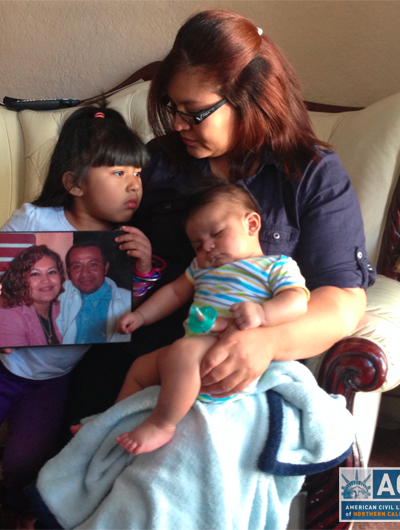
By the time Credy Madrid Calderon fled Honduras and sought asylum in the United States, he had been threatened, shot at and severely beaten by local gangs. Arriving in the United States, however, did not mean sanctuary for Credy. Instead of being reunited with his wife and children, all U.S. citizens, Credy found himself in an immigration jail. He waited there for months, uncertain of whether he would even get the chance to explain to a judge why he faced certain death if he was sent back to Honduras.
By Carmen Iguina, Zara Lockshin
Restoring Abortion Coverage and Achieving Reproductive Justice
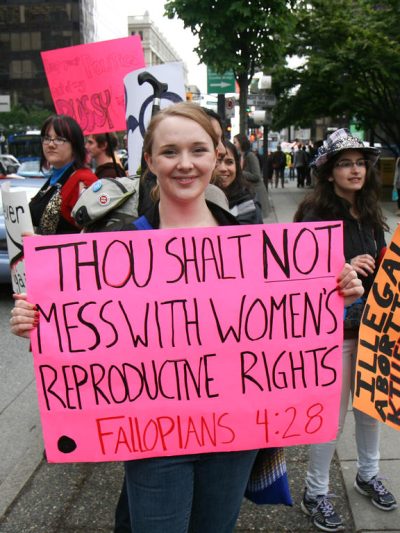
With the introduction today of the Equal Access to Abortion Coverage in Health Insurance Woman Act, members of Congress declared not only that every woman who receives care or insurance through the federal government will have coverage for abortion services, but they also prohibited political interference with decisions by private health insurance companies to offer coverage for abortion care.
By Vania Leveille
New Bill Would Force Companies to Report "Terrorist Activity" to the Government
If there’s one thing the First Amendment stands for, it’s that vigorous debate about the issues of the day—even, and perhaps especially, uncomfortable debate about things like racism or terrorism—should be free from government interference. Tragically, that principle has been betrayed repeatedly over the past decade and a half, as law enforcement agencies continue to single out individuals for scrutiny based on speech or association protected by the First Amendment.
By Gabe Rottman
California Shouldn't Lag on Police Reform
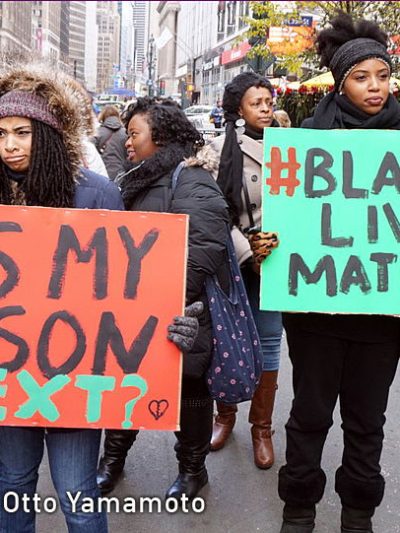
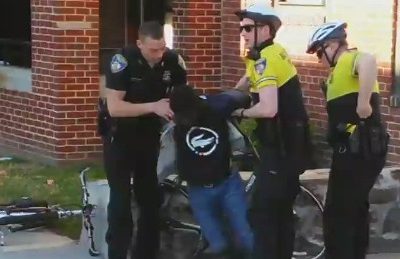
Brutality takes many forms. One kind takes your life away, another leaves your body broken. Perhaps the most insidious kind seeks you out and makes you feel terrified, harassed, unsafe, unprotected, as though people see you as a threat through no fault of your own.
By Jessica Farris
Stay Informed
Sign up to be the first to hear about how to take action.
By completing this form, I agree to receive occasional emails per the terms of the ACLU’s privacy statement.
By completing this form, I agree to receive occasional emails per the terms of the ACLU’s privacy statement.