
News & Commentary
Teen Parents Want to Succeed in School—Let's Treat Them Like They Belong There, Because They Do
Many high school students have reported being denied the opportunity to take necessary college prep classes. And a disproportionate number of those were students who were either pregnant or parenting.
By Angélica Salceda

Local Surveillance Reform at a Tipping Point in Oakland
Public participation in decisions about whether to equip police with surveillance technology is often the exception rather than the rule in California and across the country. Oakland knows this all too well.

It's Time to Protect Digital Privacy in California
The technology that we use for everything from balancing our budget to finding a date is constantly evolving – but the laws that protect our electronic information are stuck in the digital dark ages.

Public Defender's Arrest Shows that “Black Lives Matter” Needs to Be Heard in SF
In San Francisco, yet another example of police abuse came to light when Jami Tillotson was arrested outside a courtroom in the Hall of Justice while attempting to protect her clients’ right to counsel.

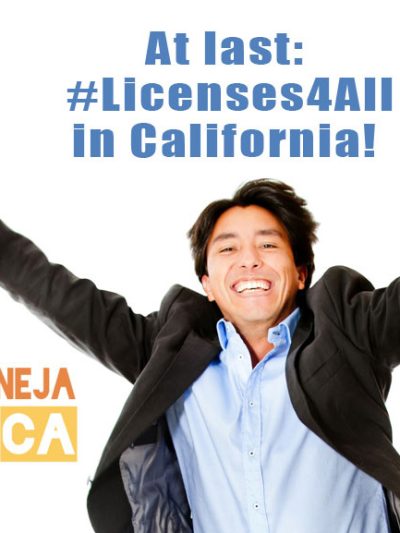
Turning a New Leaf: Driver’s Licenses in California
It’s a month since AB 60 - The Safe and Responsible Driver Act went into effect: since then, all eligible Californians can apply for a driver’s license, regardless of immigration status. This is a huge victory that immigrants and advocates fought for over two decades.
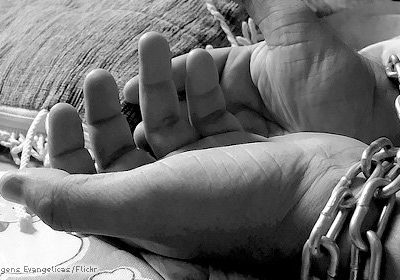
Detention Is No Place for Infants, Children, and Families
The Obama administration's decision eight months ago to massively expand the detention of immigrant families with children means that more newborns, toddlers, and young children will suffer imprisonment for no good reason inside dangerous detention facilities.
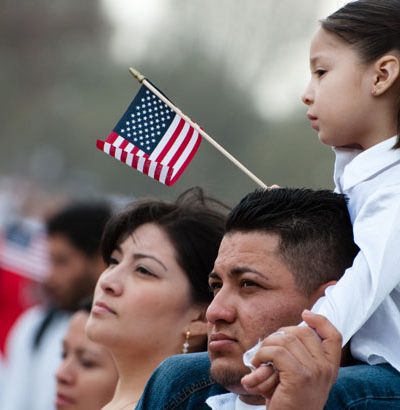
For Some Families Fleeing Violence, a Shot at a Fair Shake
When I met Milagro* and her toddlers, they were facing imminent deportation to Honduras – a near certain death sentence in light of the extreme violence they would face there. But now they have hope.
Stay Informed
Sign up to be the first to hear about how to take action.
By completing this form, I agree to receive occasional emails per the terms of the ACLU’s privacy statement.
By completing this form, I agree to receive occasional emails per the terms of the ACLU’s privacy statement.