
News & Commentary
Is the Tide Beginning to Turn on StingRays?
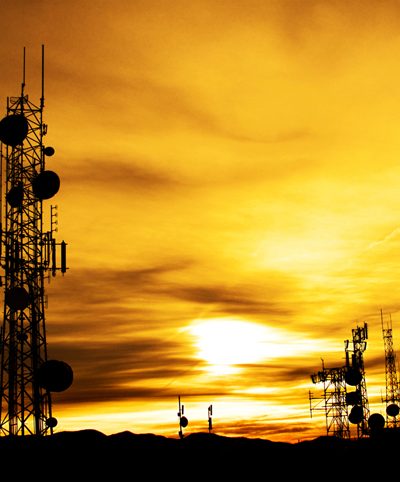
In a welcome turn of events, courts are beginning to push back on the secretive use of StingRay devices, an intrusive cell phone surveillance technology. If law enforcement wants to use new surveillance tech, it can’t hide the information.
By Linda Lye
Pepper Spray Protests Lead to Strong Campus Free Speech Policies
We filed a federal civil rights lawsuit on behalf of 17 students and two alumni who were brutally pepper-sprayed and arrested at UC Davis. Here's the university's new policy to protect the First Amendment.
By Laila Fahimuddin

Relief and Caution
On the heels of the president’s executive action, the decision by U.S. Immigration and Customs Enforcement (ICE) to end the deeply-flawed Secure Communities program is a step in the right direction. But with a new program in its place that will target “enforcement priorities,” we are cautious.
By Jennie Pasquarella

Communities Under Surveillance in California
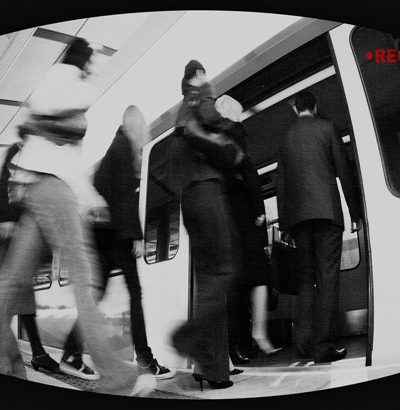
Back in 2012, the LA County Sheriff commissioned a small Cessna plane filled with cameras and had it secretly fly over the City of Compton for nine days. The Sheriff did not tell that city’s residents – many of whom are Black and Hispanic – they were being watched, that their private lives were being recorded, or that a private company would control their data. This story of surveillance is hardly unique – we know that many of California’s most diverse communities live in areas with multiple surveillance programs today. In the wake of NSA revelations and Ferguson, the public’s attention has been drawn to invasive programs backed by federal funds that are disproportionately affecting diverse communities. It’s unacceptable that in our democratic system these surveillance programs frequently move forward without public involvement or consent. The time has come to reverse this alarming trend.
Trans Remembrance and Resistance
At least 10 transgender women of color have been murdered in the United States since June.
By Chase Strangio

What Will Uber and Lyft Do When Cops Request a Free Ride?
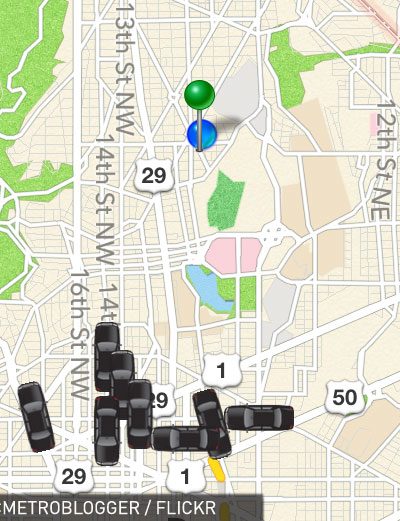
Apps like Uber and Lyft have access to a wide array of data on our smartphones, chief of which is the precise GPS location that each company uses to connect drivers and passengers.
Secret Use of Stingrays by Government Agencies Cause for Alarm
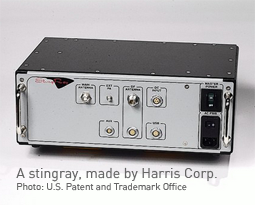
People deserve a voice in making informed community choices about the use of surveillance. One of the biggest roadblocks is that there is very little public information about the state of surveillance.
By Chris Conley
Stay Informed
Sign up to be the first to hear about how to take action.
By completing this form, I agree to receive occasional emails per the terms of the ACLU’s privacy statement.
By completing this form, I agree to receive occasional emails per the terms of the ACLU’s privacy statement.