
News & Commentary
White House Big Data Report Released: Time to Move Forward
Exciting news. The White House Big Data Report, Big Data: Seizing Opportunities, Preserving Values, was released today. While it does not address all of the ACLU’s concerns, the report recognizes the importance of moving forward on several legal and policy areas that have been a focus of our work here in California for several years.
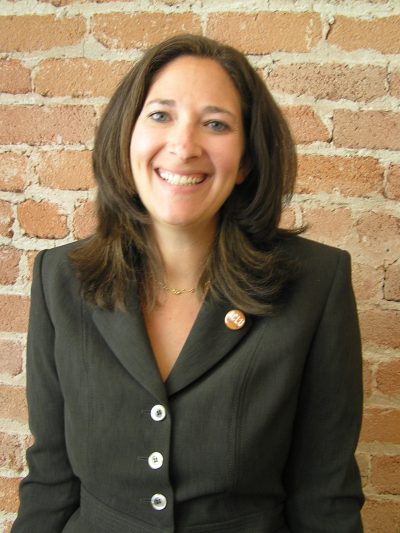
The Death Penalty: How Bad Does It Have to Get Before We Call It Quits?
If you’ve been reading the news at all this week, you’ve been inundated with some pretty gruesome news in the death penalty arena. News that has caused outrage and should give every person in this country pause.

Because Immigrants’ Rights are Civil Rights
Last May Day, hundreds of Fresno residents took to the streets to ask for a path to citizenship for the 11 million people forced to live in the shadows by our broken immigration system. There was momentum in Congress for comprehensive immigration and the Senate later managed to approve a comprehensive immigration reform bill. We were all so hopeful.

If It’s Broke, Fix it. How 20 Years of Unsuccessful Legislation is Hurting California Families
California has long been a leader in ensuring social safety net programs for poor families but the Maximum Family Grant (MFG) rule is hurting our reputation. The MFG rule says that if a parent or guardian has been receiving aid from CalWORKS for ten months consecutively, any child conceived within that timeframe is blocked for life from receiving the same assistance granted to their siblings.

We're All Losers After the Supreme Court's Decision in Schuette
Schuette v. Coalition to Defend Affirmative Action is widely misunderstood as being a case about affirmative action. It is not. In fact, it leaves in place Supreme Court law recognizing diversity as a compelling governmental interest and permitting carefully constructed affirmative action programs. Today's decision has no effect on states that want to adopt or maintain affirmative action plans.

Claiming a Religious Right to Discriminate: How the Hobby Lobby Case Impedes Social Progress
At the ACLU, we frequently see historic civil liberties battles recurring in new guises. The cases on contraceptive coverage in employee health plans argued before the Supreme Court last week present a familiar scenario: in times of rapid social progress, those resisting equality claim a religious right to discriminate.
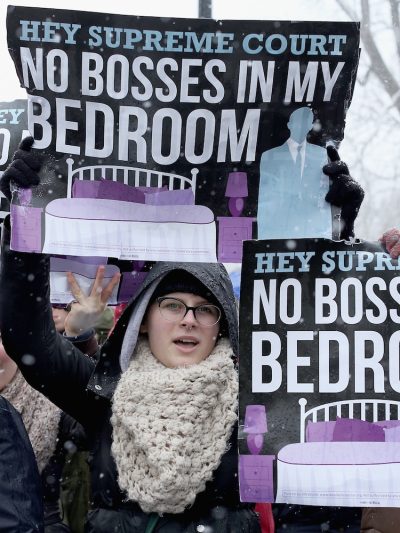
ACLU of Northern California Sues Berkeley: Ban on Roosters Should be a Wake-Up Call to Other Cities
Today the ACLU of Northern California announced plans to file a federal class-action lawsuit against the City of Berkeley for its ban on roosters within city limits. The ACLU pointed to a series of constitutional concerns that threaten us all.
By ACLU of Northern California



Stay Informed
Sign up to be the first to hear about how to take action.
By completing this form, I agree to receive occasional emails per the terms of the ACLU’s privacy statement.
By completing this form, I agree to receive occasional emails per the terms of the ACLU’s privacy statement.