
News & Commentary
New ACLU of CA Report Shines Light on Transparency
From revelations of widespread NSA spying to high profile data breaches, transparency is more important than ever. Our new policy paper takes a close look at what we all can do to increase transparency and protect privacy today.

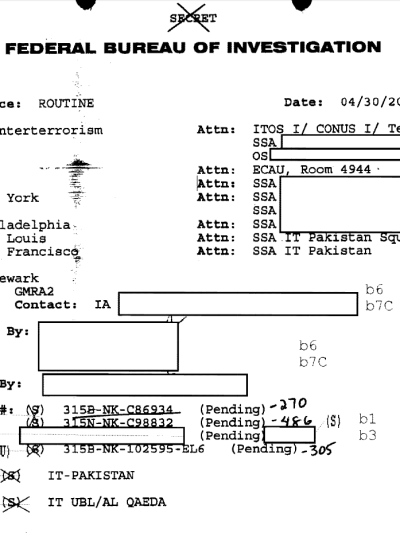
ACLU Releases Records in Freedom of the Press Lawsuit: Sloppy FBI Work Leads to Spying on Journalists
Remember when we filed a lawsuit to obtain the FBI's full records on Antiwar.com? New documents confirm that the FBI targeted and spied on Antiwar.com. Government surveillance of news organizations interferes with democracy and journalists’ ability to report the news.
Anti-Equality Groups Have Stooped to Targeting Vulnerable Kids
The United States has a long history of persecuting and stigmatizing people and ideas it doesn’t understand: Islam, HIV/AIDS, mental health, and abortion to name a few. One of the most widely and ferociously debated social issues in the last 30 years is the rights and experiences of lesbian, gay, bisexual, and transgender (LGBT) people. From marriage equality to Don’t Ask Don’t Tell, we’ve argued our way through decades of prejudice, persecution and power dynamics, centered on some of the most vulnerable among us. Despite historic wins for equality at the national, state, and local levels, there are still a handful of fringe, anti-equality groups fighting to push the LGBT community to the margins of society, dismissing and dehumanizing their experiences as un-American and irresponsible.

ACLU of Northern California: Killing of Andy Lopez Requires Transparent Investigation
The ACLU of Northern California is saddened and troubled by the tragic shooting of 13-year-old Andy Lopez by a Sonoma County sheriff’s deputy. It is imperative that there be a robust and transparent review of this incident, including the public release of any and all findings resulting from the investigation of any law enforcement agency into this shooting.
By ACLU of Northern California

ACLU-NC Urges Santa Clara County to Keep Current Immigration Policy
The ACLU of Northern California urges Santa Clara County to keep its current immigration detainer policy and to reject the District Attorney's recommendation to adopt a policy that would allow enforcement of immigration detainers under certain circumstances.

Evict an Entire Family Because a Child Misses School? No Way, Says ACLU
The ACLU of Northern California, along with other public interest and legal services organizations, won an important victory last week for families who live in public housing.
Supporting All Transgender Students
This summer Californians celebrated a historic victory when Gov. Jerry Brown signed into law AB 1266 – the School Success and Opportunity Act. The law makes sure that all students, including transgender students, have the opportunity to graduate from California’s public schools, by ensuring they can be themselves and fully participate in school facilities and activities such as sports and physical education that match their gender identity.
Big Year for ACLU Legislation in California
The ACLU of California took a position on over 118 bills before the legislature. This year stands as one of the most robust in advancing our civil liberties: the governor signed into law 12 of our priority bills.

Creepy Government Surveillance Shouldn't Be Kept Secret
Shocking revelations about creepy government surveillance came in waves over the summer, from the Snowden leaks to the Hemisphere Project, through which the government has paid AT&T for access to a mind-bogglingly vast database of our telephone calls. In many cases of new surveillance technologies like Hemisphere, there are serious constitutional concerns that courts have not yet reviewed. That’s where we come in.
Stay Informed
Sign up to be the first to hear about how to take action.
By completing this form, I agree to receive occasional emails per the terms of the ACLU’s privacy statement.
By completing this form, I agree to receive occasional emails per the terms of the ACLU’s privacy statement.