
News & Commentary
Stop Driver's Licenses from Being "Enhanced" with Security Flaws
SB 397 would allow the California DMV to issue Enhanced Driver's Licenses embedded with computer chips called RFIDs that can be read from 30 feet away without your knowing. The country's largest electronics industry group warned against using this technology for security reasons. SB 397 lacks the basic safeguards necessary to protect our privacy and security. Enhanced Driver's Licenses just aren't safe for California – take action today. Tell the California Assembly to vote NO on SB 397 (Hueso).

Let's Fix School Discipline in California
Taxpayers spend more on the criminal justice system than what it would cost to educate every young person in California. AB 420 addresses the school-to-prison pipeline and will keep more kids in front of a blackboard instead of behind bars.

California Must Follow the Attorney General's Lead
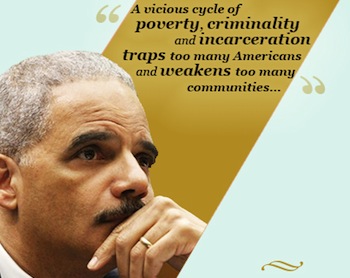
California must follow the Attorney General’s lead. We must abandon the failed and costly policies of the past that have left far too many people locked up for far too long who don’t need to be kept behind bars to keep our families and communities safe. Now is the time to focus on front end sentencing reforms, especially for low-level, nonviolent drug crimes, that will reduce wasteful spending on incarceration and free up money for the kinds of rehabilitation, education and job training programs that will reduce crime and enhance public safety.
The Dream 9, Immigration Detention and Solitary Confinement
Solitary confinement completely isolates immigration detainees: They are generally confined to a small jail cell for twenty-three hours a day, with little to no human contact, and a slot in the door through which officers pass their meals. In some Immigration and Customs Enforcement (ICE) facilities, their one hour of daily “rec” time takes place in a human-size cage or in a narrow concrete yard outdoors behind high concrete walls
By ACLU of Northern California

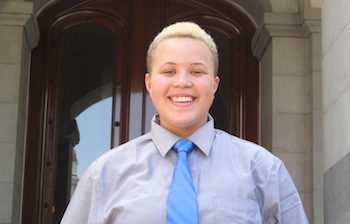
Ashton is Standing Up for Transgender Students
Many of us get a little nostalgic for high school sometimes: long summers off, overnight trips for sports competitions, pep rallies, and football games. For many, it brings back fond memories of a time with fewer responsibilities and a faster metabolism. But unfortunately, for some students, the memories they make in high school aren't so warm.
SCOTUS to California: End Prison Overcrowding
The U.S. Supreme Court today rejected a request from the state of California for a stay of the federal court order that the state reduce its prison capacity to 137.5 percent of capacity.
ACLU Urges Oakland City Council to Put the Brakes on Surveillance Center
The ACLU of Northern California today urged the Oakland City Council to put the brakes on a proposed $11 million surveillance center because it would enable the City to engage in widespread warrantless surveillance of Oakland residents. (Read our letter here.)
Use of Automated License Plate Readers Expanding in Northern California, and Data is Shared with Feds
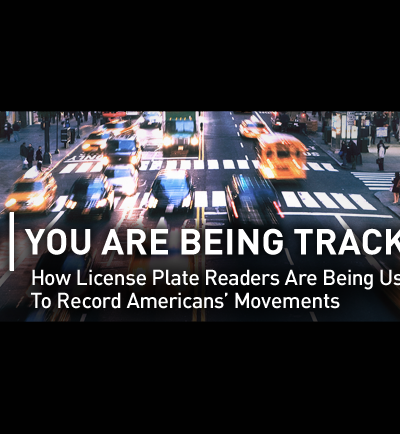
The feeling of freedom that comes from driving down California's sunny open roads is at risk—and rising gas prices are not to blame. Our investigations show that at least twenty Northern California law enforcement entities as well as the California Highway Patrol track the whereabouts of millions of Californians using automated license plate readers (ALPR), and some apparently even share records with a "fusion center" connected to the federal intelligence community.
Trayvon Martin, George Zimmerman and Implicit Bias
As the mother of an African-American boy, the tragic, unnecessary death of Trayvon Martin and the trial and subsequent acquittal of George Zimmerman have me heartbroken and filled with unanswerable questions. Does this verdict mean that some people view my son's (or my husband's or my father's) life as disposable? And how do parents like me protect our sons from people whose perceptions, unconscious or otherwise, will lead them to make incorrect assumptions based solely on skin color, while simultaneously ensuring that our children continue to be happy and hopeful instead of fearful and angry?

Stay Informed
Sign up to be the first to hear about how to take action.
By completing this form, I agree to receive occasional emails per the terms of the ACLU’s privacy statement.
By completing this form, I agree to receive occasional emails per the terms of the ACLU’s privacy statement.