
News & Commentary

On Campus Protests: Statement of the Executive Director of ACLU of Northern California, Abdi Soltani
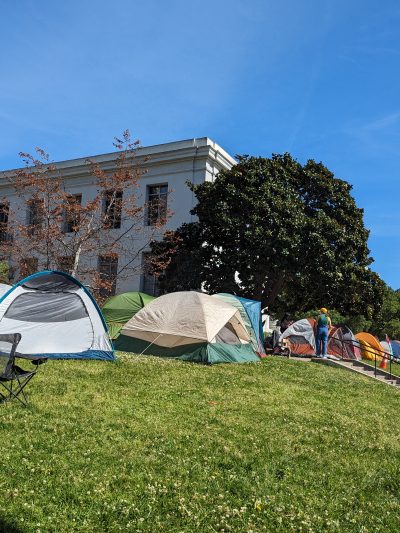
The ACLU of Northern California is closely monitoring the campus protests and the university and law enforcement responses in our region, particularly at California Polytechnic Humboldt. We are receiving and reviewing legal intakes from campuses across the region, including Stanford University and UC Berkeley.
Californians Fought Hard for Driver Privacy Protections. Why Are the Police Refusing to Follow Them?
Automatic license plate readers collect and store highly sensitive information that can reveal where we work, live, worship, or seek reproductive health services. Sharing any ALPR information with out-of-state or federal law enforcement agencies has been forbidden in California since 2016.

When it Comes to Facial Recognition, There is No Such Thing as a Magic Number
Companies and legislators are using misleading test scores to justify the expansion of facial recognition into our communities. That flawed approach understates the threat this dangerous technology poses to civil rights.

Guide to File a Pro Se Habeas Petition for People Detained by ICE in the Golden State Annex and Mesa Verde Detention Facilities
This guide is designed to assist people detained by Immigration and Customs Enforcement (ICE) who do not have a lawyer to complete and file a “petition for writ of habeas corpus.”

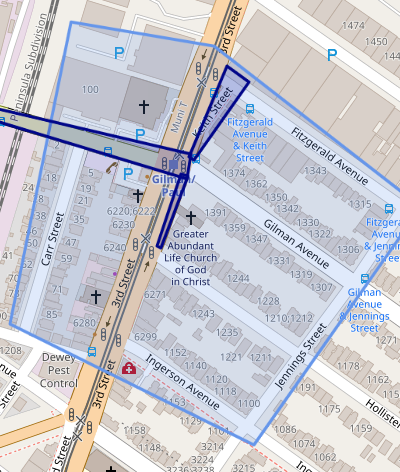
Cops Blanketed San Francisco In Geofence Warrants. Google Was Right to Protect People’s Privacy


Stay Informed
Sign up to be the first to hear about how to take action.
By completing this form, I agree to receive occasional emails per the terms of the ACLU’s privacy statement.
By completing this form, I agree to receive occasional emails per the terms of the ACLU’s privacy statement.