
News & Commentary

Making Your Privacy Vote Count on Facebook
As Facebook has grown from a dorm room project to a publicly-traded company, its users have repeatedly challenged the service on privacy issues, drawing attention from the media and governments as a result. And while Facebook is often perceived as acting like some constitution-less nation doing whatever it wants without regard to user concerns, its very existence as a social networking site depends on users uploading information and trusting the site with that information. Facebook may not be a nation, but it does have a social contract with its users, albeit one driven by revenue and functionality rather than governance. And while user efforts to renegotiate this contract haven't always succeeded, even failed attempts provide some insight into how users might effectively achieve their aims when their wishes conflict with Facebook's actions.
By Chris Conley

Coming Out As a Dreamer
Daniel Galindo reflects on the similarities between DREAM Act youth and the LGBT community – especially where "coming out" is concerned.
By Daniel Galindo
A Little Kitchen Conversation
ACLU of Northern California's Associate Director tells the story of how she responded when her 8-year-old daughter asked if lesbians were going to be banned and what would happen to their family.
By Kelli M. Evans
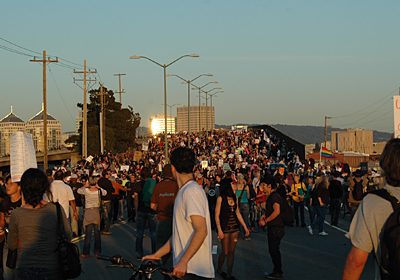
ACLU-NC Response to Report on OPD Force Against Occupy Oakland Protesters
Today Oakland released a report it commissioned from the Frazier Group that reviewed police tactics in response to Occupy Oakland demonstrations. (The ACLU of Northern California widely criticized OPD for excessive force and violence against protesters, and along with the National Lawyers Guild, sued OPD. That lawsuit is ongoing.) The report is widely critical of the Oakland Police Department's tactics.
By Alan Schlosser
Plenty to Hide
A commentator on my recent post about the DEA installing license plate scanners on the nation's interstate highways asks, "If you aren't doing anything illegal why would you care if someone captures your license plate number?"
By Jay Stanley
SceneTap Bars Tap Into Patron Outrage by Failing to Consider Privacy Concerns
When a number of bars in San Francisco agreed to install facial detection cameras to collect and broadcast demographic information about the bar's patrons, the local community lashed out – not only at SceneTap, the developer of the service, but also at the bars who agreed to use it. Outraged patrons wrote scathing reviews on sites like Yelp and threatened to boycott bars that installed the service. By installing a camera that captured "user data" without giving customers any way to control that data or choose not to participate, the bars left their patrons with only one real choice to protect their privacy: skip SceneTap bars entirely.
By Chris Conley
Ask the Experts! Free Speech in Schools
Social media and other emerging technologies are fundamentally altering how students interact and express themselves in school. Staff Attorney Linda Lye explains the history of student free speech, and discusses technology's modern twist on the First Amendment.
By ACLU of Northern California

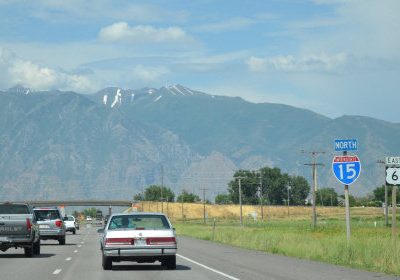
DEA Recording Americans’ Movements on Highways, Creating Central Repository of Plate Data
The DEA wants to capture the license plates of all vehicles traveling along Interstate 15 in Utah, and store that data for two years at their facility in Northern Virginia. And, as a DEA official told Utah legislators at a hearing this week (attended by ACLU of Utah staff and covered in local media), these scanners are already in place on “drug trafficking corridors” in California and Texas and are being considered for Arizona as well. The agency is also collecting plate data from unspecified other sources and sharing it with over ten thousand law enforcement agencies around the nation.
By Jay Stanley
Stay Informed
Sign up to be the first to hear about how to take action.
By completing this form, I agree to receive occasional emails per the terms of the ACLU’s privacy statement.
By completing this form, I agree to receive occasional emails per the terms of the ACLU’s privacy statement.