
News & Commentary
Trump's Resurrection of Frederick Douglass Reminds Us to Keep Resistance Alive
Trump didn’t appear to know that Douglass died 132 years ago.
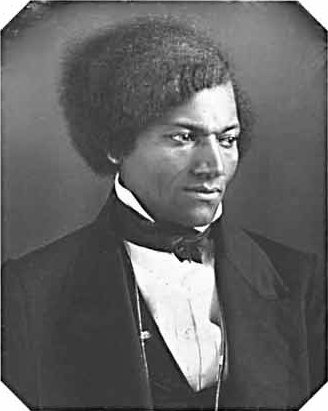
Racist Executive Orders – Then and Now #ACLUTimeMachine
It was 75 years ago that President Franklin D. Roosevelt issued Executive Order 9066 which began the incarceration of Japanese Americans during World War II. Tens of thousands of American citizens were declared dangerous to domestic security and forced to go to internment camps in isolated areas across the Western United States.
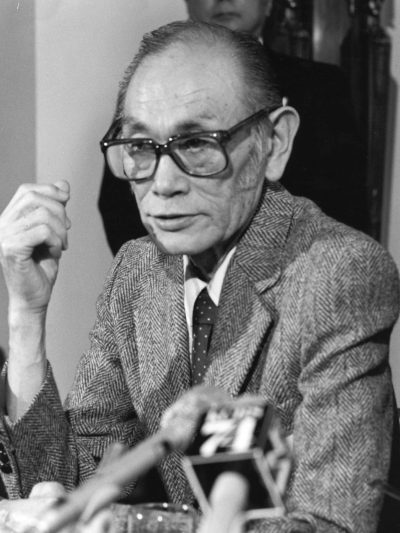
Fred Korematsu Lessons: The Price of an Executive Order, 75 Years Later
January 30 is Fred Korematsu Day of Civil Liberties and the Constitution, established by the California legislature in 2010 to commemorate the ACLU of Northern California’s client who was interned during World War II.
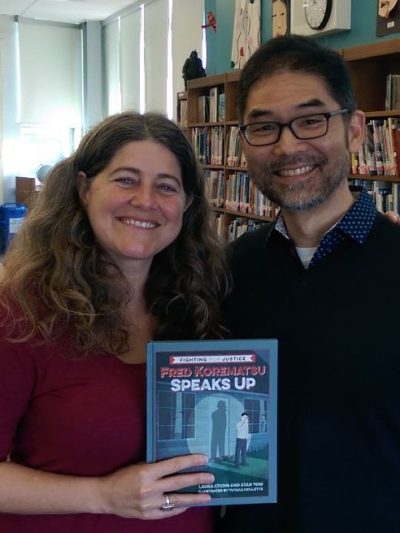
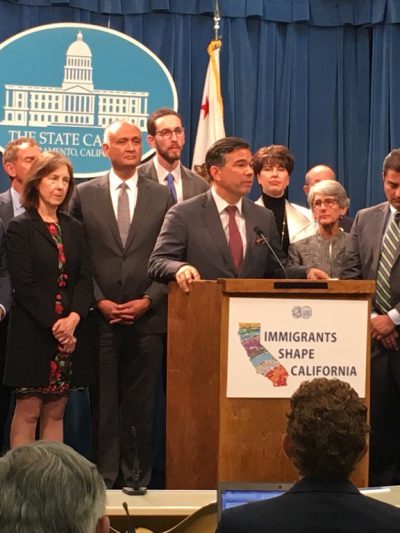
Lessons from Internment: Racial and Religious Profiling Are Never Warranted
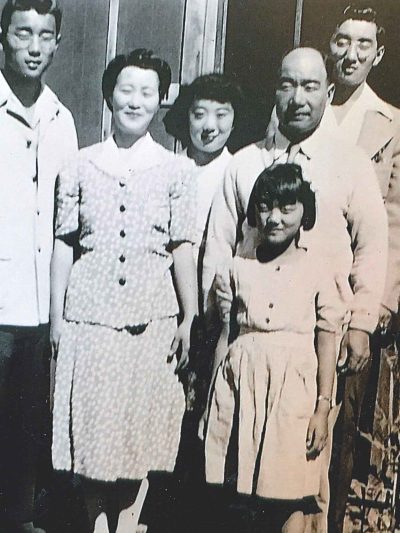
My mother was seven years old when she and her family were evacuated from the West Coast and forced to live in an Army barrack behind barbed wire in an internment camp in Heart Mountain, Wyoming. Born in Los Angeles, she had been taught in school to be a proud and loyal American citizen, so the wholesale exclusion and relocation of her community was both terrifying and confusing. On the journey to Wyoming, the prisoners were ordered to keep their shades down when the train passed through towns; my mother thought this must be because people hated her and her community so much that they didn’t want to see their faces. She was incarcerated at Heart Mountain for three years before she and her family were permitted to return to their home in Los Angeles.
Making Things a Little Fairer in California, One Bill at a Time
California now has some of the strongest protections against policing for profit in the country. Although we had several legislative successes this year, two important, ACLU-sponsored bills died in the Legislature.

Huge Ruling! Mandatory Immigration Detention "Smacks of Injustice"
Communities are being torn apart by mandatory immigration detention. Every day, more than 30,000 immigrants are held in prison-like without due process.
By Angélica Salceda

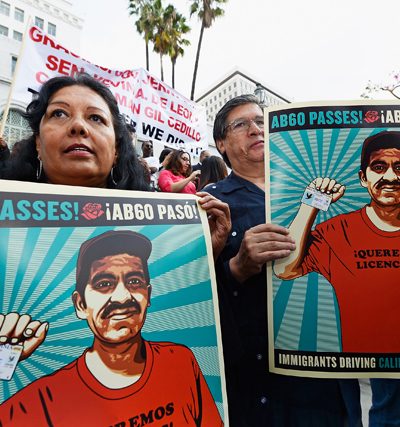
Applying for a California Driver's License Under AB 60
As of January 2015, any eligible California resident can receive a driver’s license, regardless of their immigration status. An applicant who doesn't have proof of lawful presence will receive an AB 60 license, which will have a visible distinguishing feature.
SCOTUS on Deportation: A Non-Decision with Teeth
Today the Supreme Court announced that it was deadlocked on United States v. Texas. The one-line non-decision leaves unanswered the central question about the president’s authority to set policy guidelines for the exercise of prosecutorial discretion in the deportation system. But it is a non-decision with a profound impact.

Stay Informed
Sign up to be the first to hear about how to take action.
By completing this form, I agree to receive occasional emails per the terms of the ACLU’s privacy statement.
By completing this form, I agree to receive occasional emails per the terms of the ACLU’s privacy statement.