
News & Commentary
Time to Get Down to Business on Privacy
By Chris CalabreseACLU Washington Legislative Office
By ACLU of Northern California

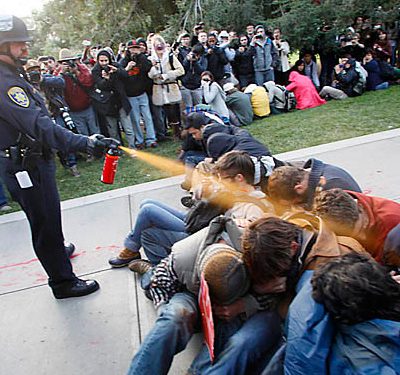
Students Sue UC Davis Over Pepper-Spraying Incident
UC Davis students filed a federal lawsuit over the University’s treatment of protesters during a demonstration in which campus police doused seated protesters with pepper spray.
By ACLU of Northern California
Marijuana Law Reform: Fair and Just Policy
The war on drugs has failed, and people are ready for a change. The United States has the highest documented incarceration rate in the world. One in every 31 adults is on probation, in jail or in prison. FBI figures show that over 800,000 people in the U.S. are arrested for marijuana offenses each year. The vast majority of these arrests are for low-level, nonviolent simple possession offenses.
By ACLU of Northern California

Exploring the “Right to Be Forgotten”
I’m heading to Palo Alto tomorrow for the Stanford Technology Law Review’s symposium and looking forward to the first panel of the day, Taking Forgetting Seriously.
Every Vote Counts: Realignment & Felony Disenfranchisement
The right to vote is a fundamental right and all eligible individuals must be allowed to exercise their right. The California Constitution disenfranchises individuals on the basis of criminal conviction only if they are “imprisoned in state prison or…on parole as a result of the conviction of a felony.” League of Women Voters of California v. McPherson, 145 Cal. App. 4th 1469 at 1486 (2006).
By ACLU of Northern California
Keeping “Your World” Private: Turning off Google’s New Private Search Results
Want to keep your information private now that Google has started rolling out “Search, plus Your World,” a new search results format? For those signed-in with a Google account, the new feature combines search results from the public web plus private information and photos you have shared (or have been shared with you) through Google+ or Picasa.
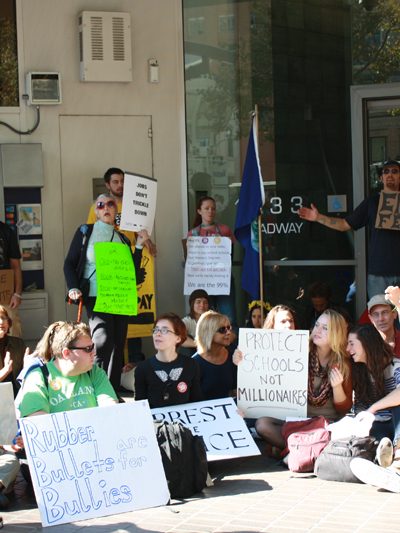
Victory for Oakland Protesters, Despite Court Ruling
First, the good news: over the course of the day yesterday, thousands of people demonstrated in Oakland without any violent response from police. And the Oakland Police Department reportedly relied on its own officers to manage the crowd of protesters rather than bringing in other law enforcement agencies on mutual aid agreements.
Content, Context, and Control: Facial Recognition and Privacy
Photographs don’t just capture your laughter and tears. They can also reveal the details of your life: the people you know, the events you attend, and more. And facial recognition makes it easy to link any photo of you–even one you didn’t know you were in–to your name and identity. This could make it impossible to attend a support group meeting or political rally without sharing that information with everyone. And it could allow anyone who snaps your photo on their phone to instantly learn your name, interests, and more. Businesses and lawmakers need to ensure that facial recognition services give individuals the ability to choose whether and how they participate in the service and ensure that any information collected or generated by these services is adequately protected.
Your Health Your Rights Does What Your iPhone Won’t
The newest iPhone features Siri – which Apple bills as “the intelligent personal assistant that helps you get things done just by asking.” Or not, depending on what you’re asking for. Need movie tickets, takeout food, or even Viagra, Siri can help. But should you need say, basic reproductive health care like emergency contraception or an abortion, Siri is clueless.
According to numerous
By ACLU of Northern California

Stay Informed
Sign up to be the first to hear about how to take action.
By completing this form, I agree to receive occasional emails per the terms of the ACLU’s privacy statement.
By completing this form, I agree to receive occasional emails per the terms of the ACLU’s privacy statement.