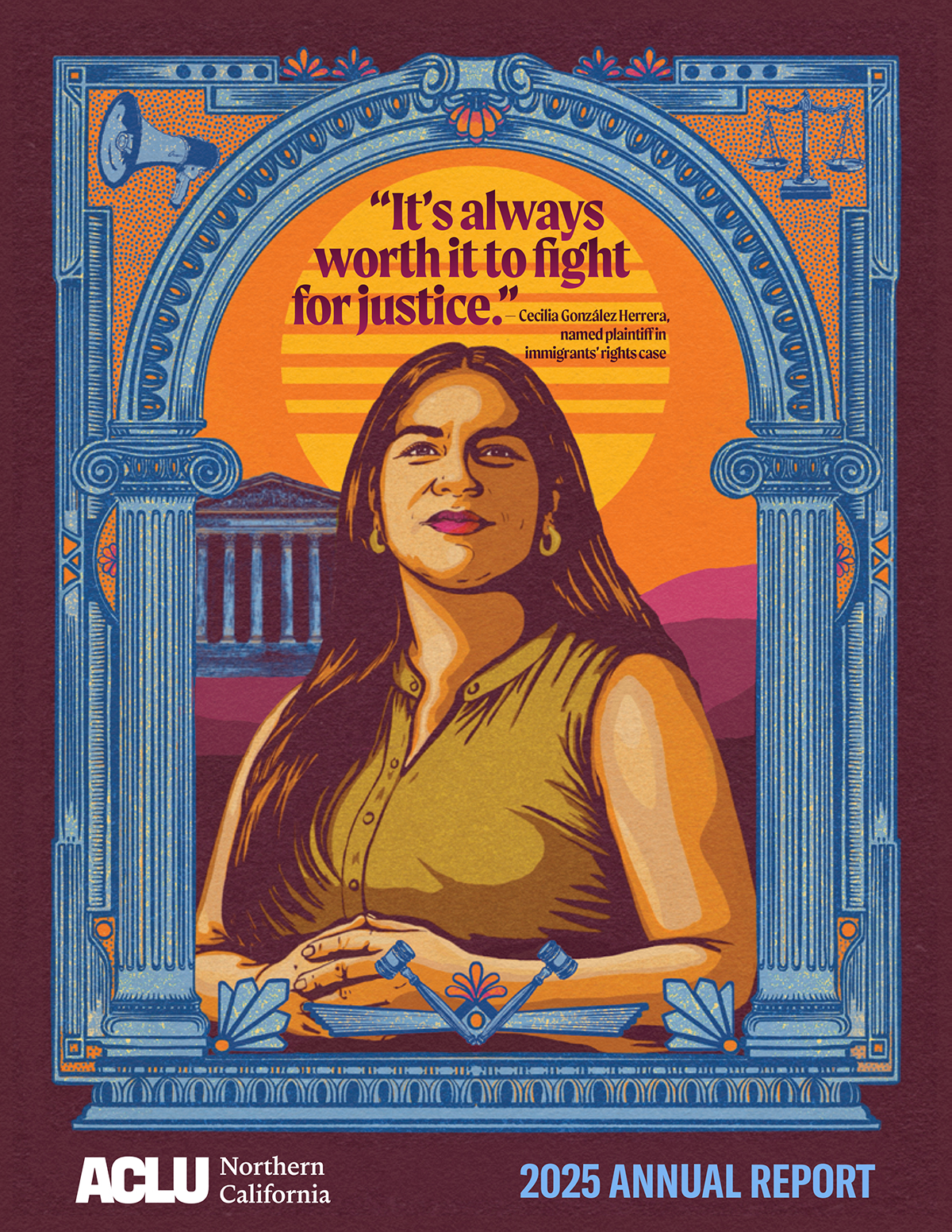
2025 Annual Report
The first year of Trump 2.0 was perhaps the busiest in our 90-plus year history. It has been an enormous job putting checks on the federal government's undemocratic abuses of power. But thousands of us have stepped forward, contributing in countless ways, knowing democracy is on the line. We hope you’ll see how much a united and determined community can do when the moment demands action, and justice is our guiding light.
All Publications
May 14, 2020

Fighting Local Surveillance: A Toolkit
Together, we are achieving important victories against secret and dangerous surveillance. We are raising awareness of how surveillance technology like drones, stingrays, and facial recognition exacerbate discriminatory policing, suppress dissent, and facilitate harm to immigrants and people of color. We are building the political coalitions and power essential to win surveillance reform and durable social change. We are changing the narrative by explaining why surveillance systems make us less safe and less free.
Mar 4, 2019
Cops and No Counselors
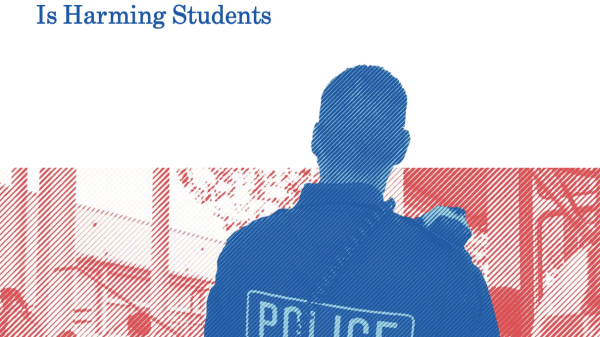
Data about school counselors had been required previously, but this report provides the first state-level student-to-staff ratio comparison for these other school-based mental health personnel, along with school counselors. A key finding of the report is that schools are under-resourced and students are overcriminalized.
Sep 26, 2018
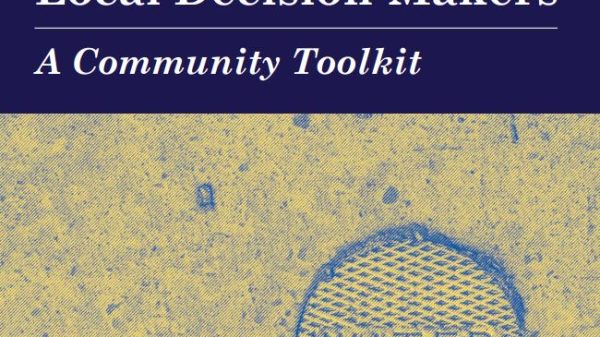
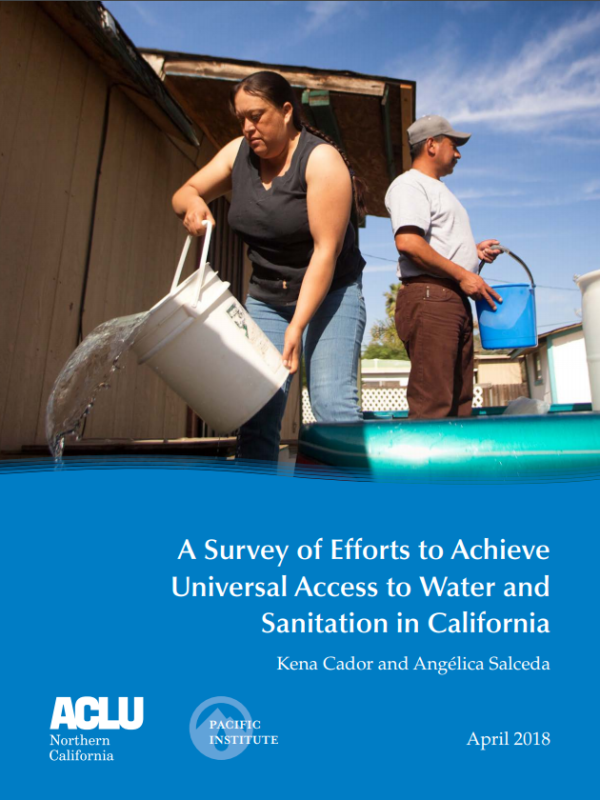
ACLU Toolkit: Engaging with Local Decision-Makers: A toolkit for communities seeking improved water, sanitation, and other municipal services
A toolkit for communities seeking improved water, sanitation, and other municipal services
Everyone needs basic municipal services, ranging from water to garbage and sewage removal. But these services are not equitably distributed.
The purpose of this toolkit is to help residents advocate for the services they need and deserve. It explains a key process by which local governments make decisions about the allocation of public services and the ways in which residents can participate to voice their concerns and urge for changes in their communities. Community participation ensures decision-makers see a neighborhood’s needs and invest time and money into improving those neighborhoods. We hope that this toolkit empowers residents to make changes in their communities and stay involved in processes that impact their lives.
Sep 26, 2018
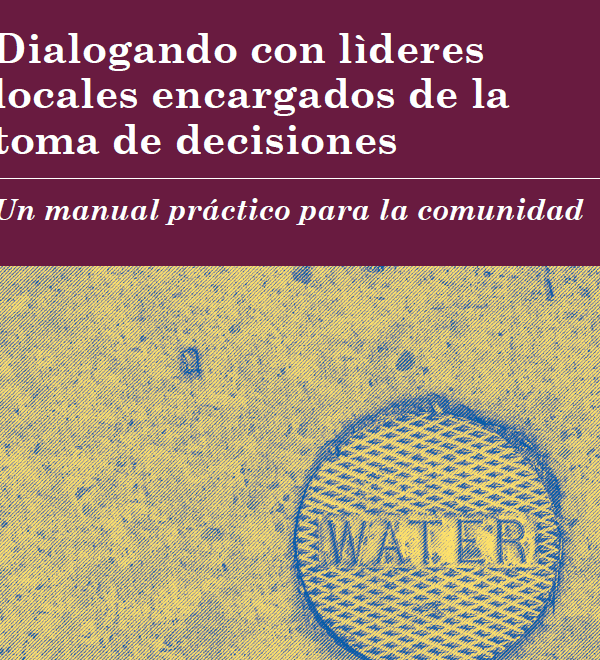
El manual práctico: dialogando con lìderes locales encargados de la toma de decisiones: Un manual práctico para las comunidades que buscan mejoras en los servicios municipales del agua, saneamiento y otros
Nosotros esperamos que este manual práctico sirva de herramienta para que los residentes de California hagan cambios en sus comunidades y para que se mantengan involucrados en los procesos que impactan su vida.

Mar 22, 2018
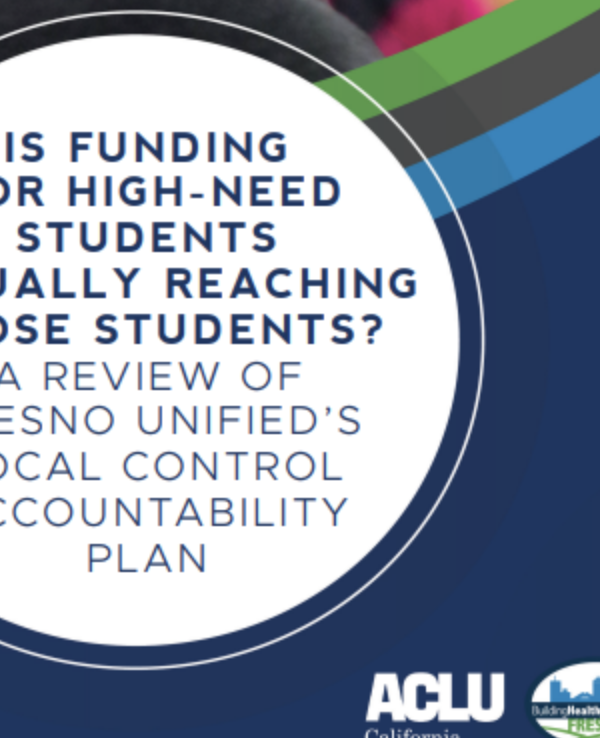
Is Funding for High-Need Students Actually Reaching those Students?
A report by the ACLU Foundations of California and Fresno Building Health Communities, “Is Funding for High-Need Students Actually Reaching Those Students? A Review of Fresno Unified’s Local Control Accountability Plan” details one school district’s attempt to improperly use state funds designated for high need students. In 2014, California passed the Local Control Funding Formula (LCFF), a law that fundamentally changed the way the state funds its public schools. The Legislature intended LCFF to promote equity by directing more resources to high-need students, including those who are low-income, foster youth, and English-language learners. Under the LCFF, school districts are required to create an LCAP plan and describe how they plan to spend funds to meet annual goals for all of their students.

Stay Informed
Sign up to be the first to hear about how to take action.
By completing this form, I agree to receive occasional emails per the terms of the ACLU’s privacy statement.
By completing this form, I agree to receive occasional emails per the terms of the ACLU’s privacy statement.