
News & Commentary
Facebook Commits to Changing Its Real Name Policy
In response to the demands of a global coalition, Facebook announced changes on Oct. 30 to its user name policy designed to reduce abusive targeting and increase due process for users.

New Docs: DOJ Admits that StingRays Spy on Innocent Bystanders
Documents recently obtained by the ACLU of Northern California from the Department of Justice confirm concerns about the federal government’s use of StingRays – a highly intrusive cell phone surveillance device – and underscore the need for transparency.

Take Back Control of Your Online Identity
Read why more people are using adblockers - not just to avoid annoying commercials, but to guard against tracking and profiling.

California Leads on Electronic Privacy. Other States Must Follow.
Last Thursday, California Gov. Jerry Brown signed the California Electronic Communications Privacy Act, which requires a warrant before California law enforcement can seize the contents or metadata of your communications, demand location records from your cell phone provider, or use a StingRay to gather information about your smartphone.

Facebook, It's Time to Fix Your Real Names Policy
What’s in a name? If you ask Facebook, it’s the text on a driver’s license or a formal document like a utility bill or library card.
Enhanced Driver’s Licenses: A Civil Liberties Nightmare
If Gov. Brown fails to veto SB 249, the DMV will issue driver’s licenses enhanced with unencrypted computer chips that would make Californians' personal data vulnerable.

ACLU Urges Alameda County to Vote No on StingRay Surveillance
UPDATE: The vote has been rescheduled to Tuesday, Oct. 13.
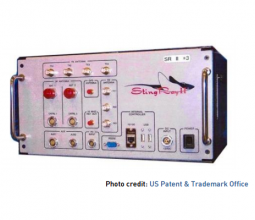
Sacramento Sheriff’s New StingRay Surveillance Policy is Flawed
In response to a lawsuit brought by the ACLU, the Sacramento Sheriff has now admitted that it used intrusive cellphone surveillance technology – commonly known as a “StingRay” – without obtaining court approval. Days after this stunning admission, the Sheriff publicly announced a new policy for the use of StingRay technology. While having an actual policy in place is certainly a step in the right direction, the new policy raises serious concerns.
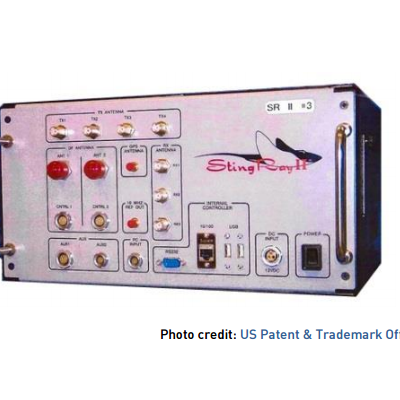
Victory for Privacy Rights in California
It was a really good week in California for privacy rights. The legislature passed the California Electronic Communications Privacy Act (CalECPA SB 178) with strong bipartisan support. The bill is now on Gov. Brown’s desk, and he needs to hear from all of us that it’s time to update privacy law for the modern digital world and sign CalECPA into law.

Stay Informed
Sign up to be the first to hear about how to take action.
By completing this form, I agree to receive occasional emails per the terms of the ACLU’s privacy statement.
By completing this form, I agree to receive occasional emails per the terms of the ACLU’s privacy statement.