
News & Commentary
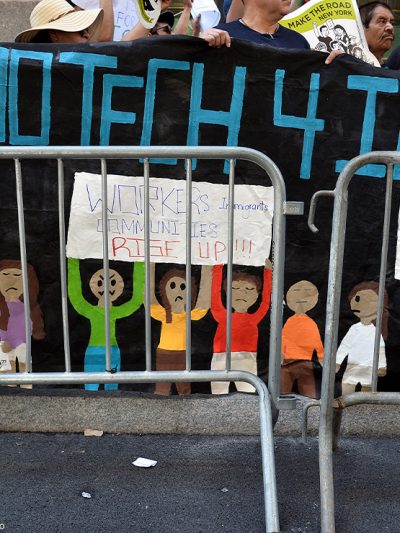
ACLU Calls On Tech Companies to End Their Alliance with ICE and CBP
Tech companies provide access to the sensitive personal information used to destroy communities and undermine the rights that we work every day to protect. Join the #NoTechforICE campaign.
Banning My "Phenomenally Black" Shirt is Only a Symptom of the Racism in Bakersfield Schools

CPRAs re: DA Compliance with Batson & Wheeler Mandates
List of California jury selection training materials used by different District Attorney offices throughout the state.

Banning Dangerous Surveillance Tech is One Step Towards Wider Police Reform in Santa Cruz
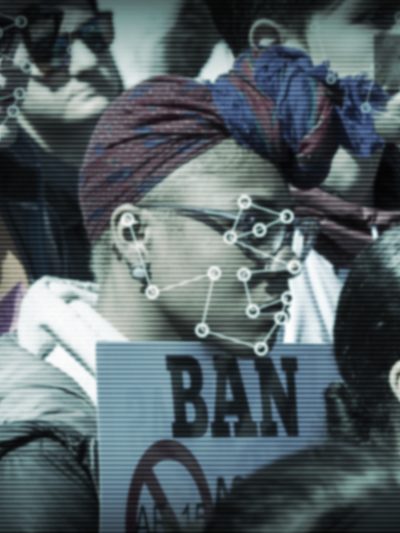
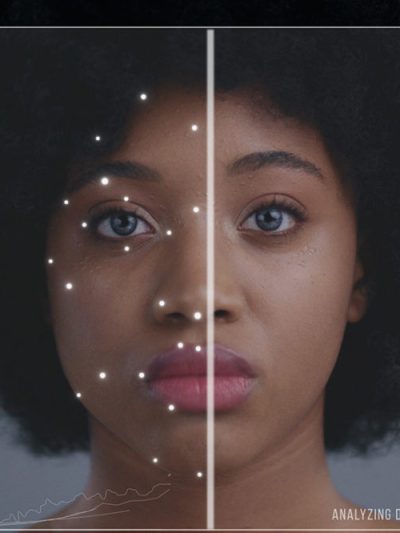
Facial recognition and predictive policing technology fuel the exact type of intrusive and racially discriminatory policing that people are protesting against.
By Peter Gelblum
Microsoft Says it Supports Racial Justice. Will it Refuse to Power Discriminatory Police Surveillance?
In Response to the Murder of George Floyd
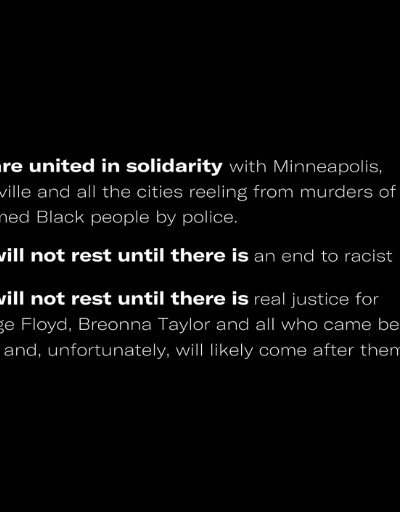
The killing of George Floyd on May 25 has returned the spotlight on racist policing and the dehumanization of African Americans in the criminal legal system. We share the grief and anger that’s spilling into the streets calling for justice.
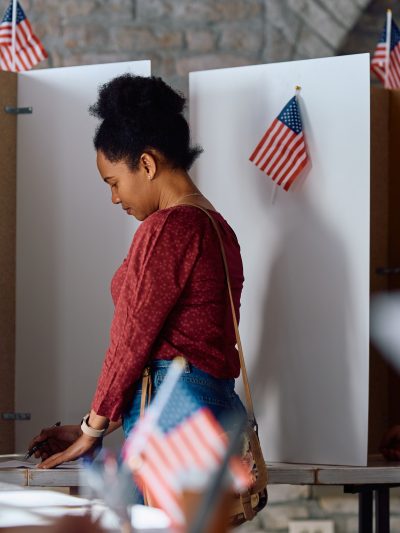
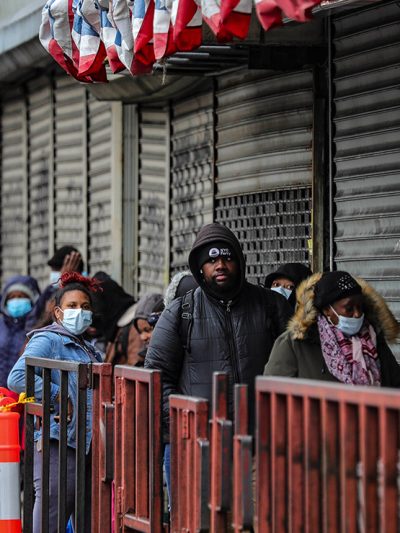
Vote by Mail Not Enough, California Must Also Require Minimum Number of In-person Polls for November Elections
Why Freedom of Expression and Public Health Must Coexist
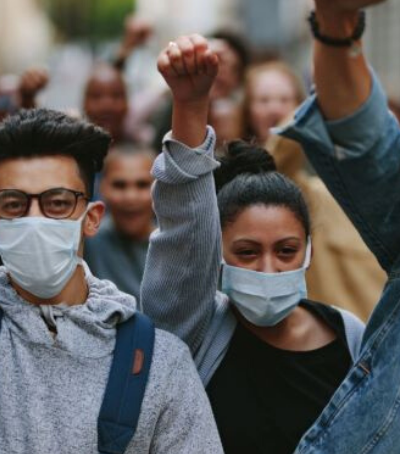
The COVID-19 pandemic forces a reckoning with the balance between freedom of assembly and public health and safety. The virus is highly contagious and the risks of exposure include severe illness or death. These risks are especially high for medically vulnerable people and communities that our systems have failed, especially Black and brown communities.
Stay Informed
Sign up to be the first to hear about how to take action.
By completing this form, I agree to receive occasional emails per the terms of the ACLU’s privacy statement.
By completing this form, I agree to receive occasional emails per the terms of the ACLU’s privacy statement.