
News & Commentary
Let’s Stop the Scapegoating During a Global Pandemic
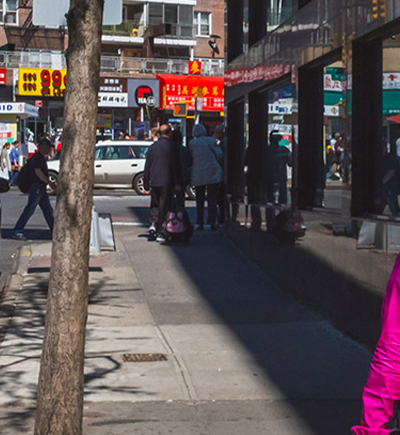
Just like tens of millions of people sheltering in place in the U.S., I’m adjusting to the new realities and worries of day-to-day life during the COVID-19 pandemic. But on top of worrying about my elderly family members, U.S. hospitals’ shortage of basic medical equipment, or where I can find toilet paper and eggs, I have another fear. Like other Americans of East Asian descent (including citizens and non-citizens), I worry that I might be attacked on the street or in a store because of my race.
There are so many news reports that spur my concerns. For example, on March 14, a man in Midland, Texas, attacked an Asian American family shopping at a Sam’s Club store, stabbing three members of the family, including a two-year-old and a six-year-old child, as well as an employee. The attacker said that he targeted the family because he believed, based on the family’s race, that they were spreading the COVID-19 virus. The FBI categorized the attack as a hate crime, and more generally warned of a potential surge in bias-based attacks on Asian Americans.

Hey Clearview, Your Misleading PR Campaign Doesn’t Make Your Face Surveillance Product Any Less Dystopian
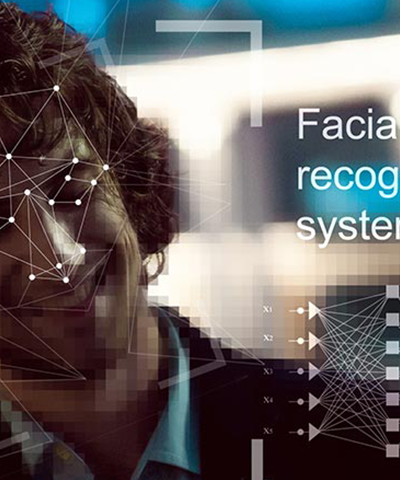
In the last few weeks, a company called Clearview has been in the news for marketing a reckless and invasive facial recognition tool to law enforcement. The company claims the tool can identify people in billions of photos nearly instantaneously. And Exhibit A in support of their claim to law enforcement that their app is accurate? An “accuracy test” that Clearview boasts was modeled on the ACLU’s work calling attention to the dangers of face surveillance technology.
On the 47th Anniversary of Roe, Let’s Advance Reproductive Justice for People Behind Bars



California Just Blocked Police Body Cam Use of Face Recognition
The state of California just made it clear: Face recognition surveillance isn’t inevitable. We can — and should — fight hard to protect our communities from this dystopian technology.
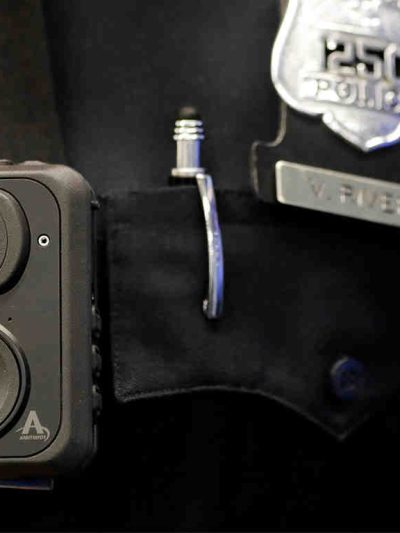
Building on San Francisco’s first-of-its-kind ban on government face recognition, California this week enacted a landmark law that blocks police from using body cameras for spying on the public. The state-wide law keeps thousands of body cameras used by police officers from being transformed into roving surveillance devices that track our faces, voices, and even the unique way we walk. Importantly, the law ensures that body cameras, which were promised to communities as a tool for officer accountability, cannot be twisted into surveillance systems to be used against communities.
Stay Informed
Sign up to be the first to hear about how to take action.
By completing this form, I agree to receive occasional emails per the terms of the ACLU’s privacy statement.
By completing this form, I agree to receive occasional emails per the terms of the ACLU’s privacy statement.