
News & Commentary
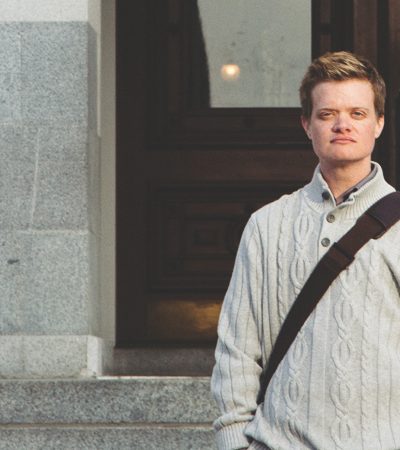
California Is Ready to Ensure Every Public College Student Has Access to Abortion
In a year when we’ve seen states throughout the South and Midwest move to ban abortion and restrict access to reproductive health, California could soon cement its reputation as a leader in reproductive freedom. This past week, the state legislature passed SB 24 to ensure that medication abortion is available to college students in public universities.
Jessy Rosales, a UC student, struggled with paying for care and dealing with the complexities of insurance plans when she needed an abortion. She had to go off campus to three different providers, which took time away from class, work, and other responsibilities. Jessy’s grades slipped as she tried to navigate the obstacles to getting an abortion. Such financial, logistical, and emotional tolls are completely unnecessary.

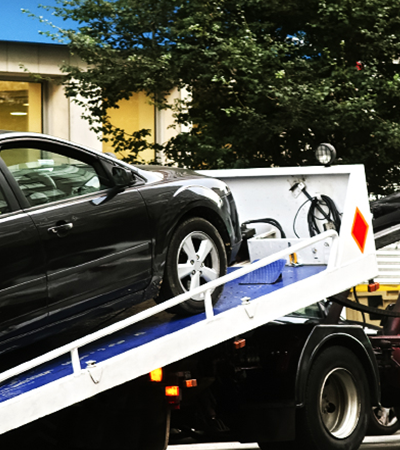
California is Pushing People Deeper into Poverty by Towing Their Cars for Non-Safety Reasons
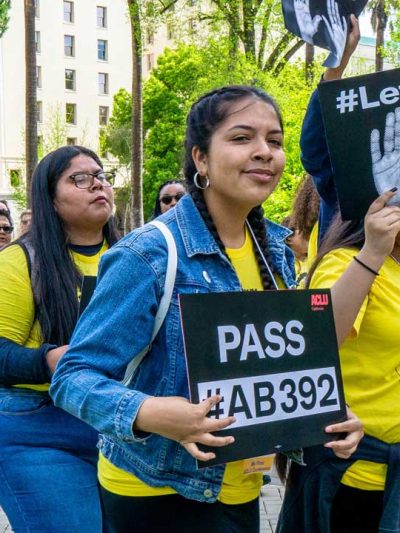

WE HAVE RIGHTS: To prepare for encounters with Immigration & Customs Enforcement (ICE)
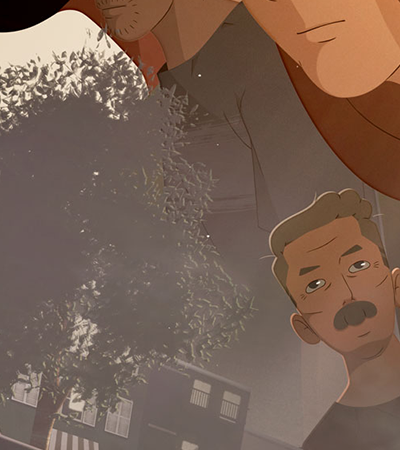
The American Civil Liberties Union along with Brooklyn Defender Services (BDS), created “We Have Rights,” a national immigrant empowerment campaign to inform immigrant communities of what to do when interacting with Immigration and Customs Enforcement (ICE).
The campaign centers around four animated videos available in seven languages: English, Spanish, Arabic, Mandarin, Russian, Haitian Creole and Urdu. Created as a direct response to expressed community needs, the videos are based on true stories and provide practical tips for how to safely defend the legal and human rights of immigrants during four common encounters with ICE: when ICE is at the door, when ICE is inside homes, when ICE stops people in the street, and when ICE arrests immigrants.
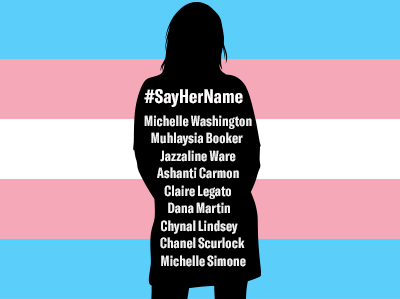
Fighting for Black Trans Women this Pride and Beyond
This Pride weekend, as we celebrate the 50th anniversary of the Stonewall Rebellion, let’s march, let’s celebrate, let’s party. But first let us remember today and always that the lives of Black trans people, and specifically the lives of Black trans women, matter. Let’s recognize and memorialize the great social, political, and civil rights gains achieved over the past 50 years by Black and Latinx trans women leaders like Marsha P. Johnson, Miss Major Griffin-Gracy, and Sylvia Rivera, whose contributions have often been rewritten or erased.
Stay Informed
Sign up to be the first to hear about how to take action.
By completing this form, I agree to receive occasional emails per the terms of the ACLU’s privacy statement.
By completing this form, I agree to receive occasional emails per the terms of the ACLU’s privacy statement.