
News & Commentary
H.R. 40 Is Not a Symbolic Act. It’s a Path to Restorative Justice.
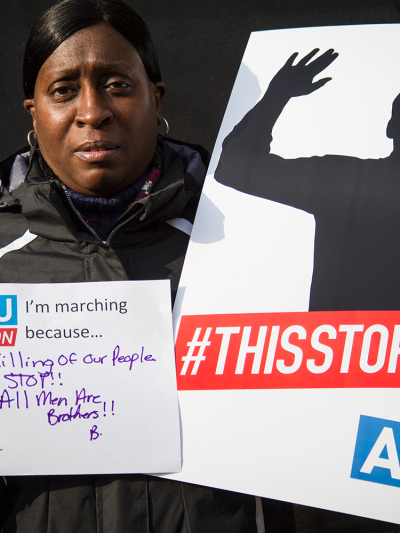
For nearly three decades, my former colleague Rep. John Conyers of Michigan would introduce H.R. 40, legislation seeking to establish a commission to study and develop reparation proposals. Though many thought it a lost cause, he believed that a day would come when our nation would need to account for the brutal mistreatment of African Americans during chattel slavery, Jim Crow segregation, and the enduring structural racism endemic to our society. With the rise and normalization of white supremacist expression during the Trump administration, the discussion of H.R. 40 and the concept of restorative justice have gained more urgency, garnering the attention of mainstream commentators and illustrating the need for a national reckoning.

America, It Is Time to Talk About Reparations
We are two months away from the 400th anniversary of the first enslaved people arriving in what would become the United States of America. It is time to renew the public discussion about reparations to descendants of Africans who were enslaved as our country was forming and growing rich.
First as colonies and then as a nation, America has existed longer with slavery (1619-1865: 246 years) than without it (1865-2019: 154 years). And the reality of the institution of enslaving people is not the “good food and a decent place to live” narrative of Bill O’Reilly on Fox News and others who minimize the horror of the practice. The first 100 of the 154 years without slavery were

Records Reveal ICE Agents Run Thousands of License Plate Queries a Month in Massive Location Database

Your Personal Information is Yours, Not the Raw Material for Surveillance Technology
The information that you share with a company should not be repurposed or sold without your consent. But companies are building algorithms from massive repositories of personal information, collected from people who are not told about how the company will use their information.
A recent report revealed a troubling example of this invasive practice. A Silicon Valley-based company called Ever apparently used billions of private photos they collected from their users to secretly train a face surveillance tool marketed to the military and law enforcement.

No One Should Have to Travel in Fear
I’ve worked for Silicon Valley companies for more than a decade and international travel is a necessary part of my job. I’ve had my fair share of delays and missed connections, but one thing I’ve never experienced while traveling in airports is fear. That changed last December when I returned from a business trip to Europe.
Going through customs is usually routine for me. I signed up for the Global Entry program years ago. It allows me to bypass lines using an electronic kiosk. With my travel schedule, Global Entry is a necessity.

Will California lawmakers vote to protect Californians’ privacy or tech industry profits?
By Jacob Snow


Stay Informed
Sign up to be the first to hear about how to take action.
By completing this form, I agree to receive occasional emails per the terms of the ACLU’s privacy statement.
By completing this form, I agree to receive occasional emails per the terms of the ACLU’s privacy statement.