
News & Commentary
In Response to the Murder of George Floyd
The killing of George Floyd on May 25 has returned the spotlight on racist policing and the dehumanization of African Americans in the criminal legal system. We share the grief and anger that’s spilling into the streets calling for justice.
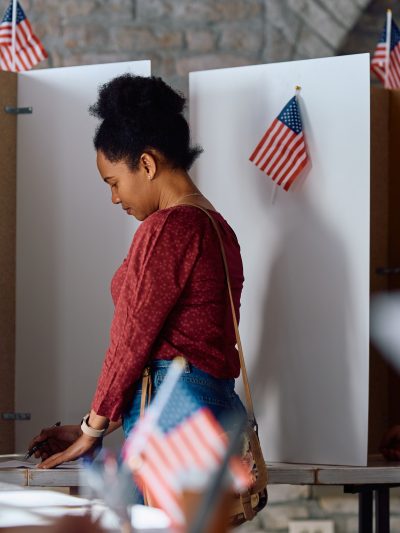
Vote by Mail Not Enough, California Must Also Require Minimum Number of In-person Polls for November Elections
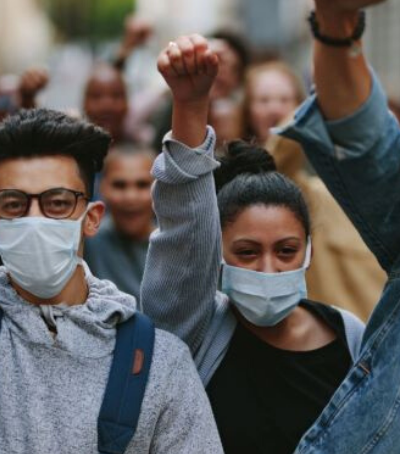
Why Freedom of Expression and Public Health Must Coexist
The COVID-19 pandemic forces a reckoning with the balance between freedom of assembly and public health and safety. The virus is highly contagious and the risks of exposure include severe illness or death. These risks are especially high for medically vulnerable people and communities that our systems have failed, especially Black and brown communities.
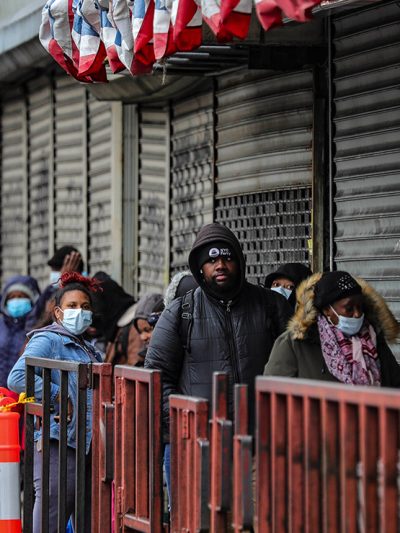
If COVID-19 Doesn’t Discriminate, Then Why Are Black People Dying at Higher Rates?
To provide meaningful protection and support for all members of the community, a COVID-19 response must address the pervasive racial injustices at the federal, state, and local level.
Let’s Stop the Scapegoating During a Global Pandemic
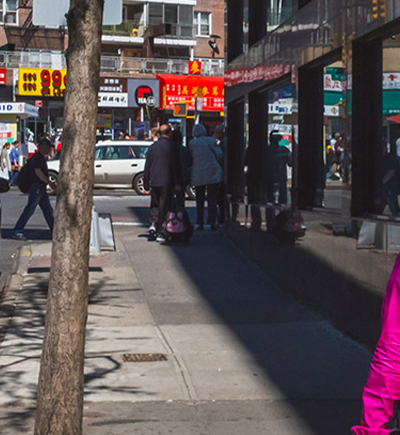
Just like tens of millions of people sheltering in place in the U.S., I’m adjusting to the new realities and worries of day-to-day life during the COVID-19 pandemic. But on top of worrying about my elderly family members, U.S. hospitals’ shortage of basic medical equipment, or where I can find toilet paper and eggs, I have another fear. Like other Americans of East Asian descent (including citizens and non-citizens), I worry that I might be attacked on the street or in a store because of my race.
There are so many news reports that spur my concerns. For example, on March 14, a man in Midland, Texas, attacked an Asian American family shopping at a Sam’s Club store, stabbing three members of the family, including a two-year-old and a six-year-old child, as well as an employee. The attacker said that he targeted the family because he believed, based on the family’s race, that they were spreading the COVID-19 virus. The FBI categorized the attack as a hate crime, and more generally warned of a potential surge in bias-based attacks on Asian Americans.

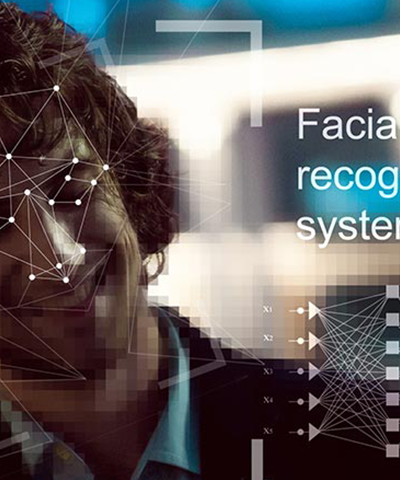
Hey Clearview, Your Misleading PR Campaign Doesn’t Make Your Face Surveillance Product Any Less Dystopian
In the last few weeks, a company called Clearview has been in the news for marketing a reckless and invasive facial recognition tool to law enforcement. The company claims the tool can identify people in billions of photos nearly instantaneously. And Exhibit A in support of their claim to law enforcement that their app is accurate? An “accuracy test” that Clearview boasts was modeled on the ACLU’s work calling attention to the dangers of face surveillance technology.

Stay Informed
Sign up to be the first to hear about how to take action.
By completing this form, I agree to receive occasional emails per the terms of the ACLU’s privacy statement.
By completing this form, I agree to receive occasional emails per the terms of the ACLU’s privacy statement.