
News & Commentary



California Just Blocked Police Body Cam Use of Face Recognition
The state of California just made it clear: Face recognition surveillance isn’t inevitable. We can — and should — fight hard to protect our communities from this dystopian technology.
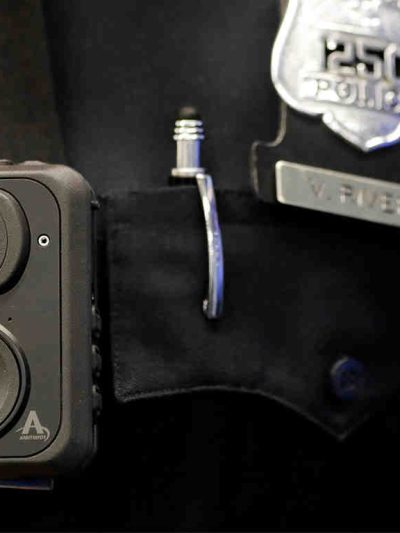
Building on San Francisco’s first-of-its-kind ban on government face recognition, California this week enacted a landmark law that blocks police from using body cameras for spying on the public. The state-wide law keeps thousands of body cameras used by police officers from being transformed into roving surveillance devices that track our faces, voices, and even the unique way we walk. Importantly, the law ensures that body cameras, which were promised to communities as a tool for officer accountability, cannot be twisted into surveillance systems to be used against communities.
California Is Ready to Ensure Every Public College Student Has Access to Abortion
In a year when we’ve seen states throughout the South and Midwest move to ban abortion and restrict access to reproductive health, California could soon cement its reputation as a leader in reproductive freedom. This past week, the state legislature passed SB 24 to ensure that medication abortion is available to college students in public universities.
Jessy Rosales, a UC student, struggled with paying for care and dealing with the complexities of insurance plans when she needed an abortion. She had to go off campus to three different providers, which took time away from class, work, and other responsibilities. Jessy’s grades slipped as she tried to navigate the obstacles to getting an abortion. Such financial, logistical, and emotional tolls are completely unnecessary.


Stay Informed
Sign up to be the first to hear about how to take action.
By completing this form, I agree to receive occasional emails per the terms of the ACLU’s privacy statement.
By completing this form, I agree to receive occasional emails per the terms of the ACLU’s privacy statement.