
News & Commentary
Is the Tide Beginning to Turn on StingRays?
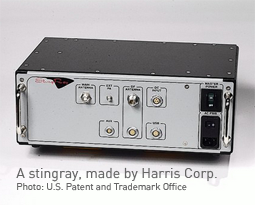
In a welcome turn of events, courts are beginning to push back on the secretive use of StingRay devices, an intrusive cell phone surveillance technology. If law enforcement wants to use new surveillance tech, it can’t hide the information.
Communities Under Surveillance in California
Back in 2012, the LA County Sheriff commissioned a small Cessna plane filled with cameras and had it secretly fly over the City of Compton for nine days. The Sheriff did not tell that city’s residents – many of whom are Black and Hispanic – they were being watched, that their private lives were being recorded, or that a private company would control their data. This story of surveillance is hardly unique – we know that many of California’s most diverse communities live in areas with multiple surveillance programs today. In the wake of NSA revelations and Ferguson, the public’s attention has been drawn to invasive programs backed by federal funds that are disproportionately affecting diverse communities. It’s unacceptable that in our democratic system these surveillance programs frequently move forward without public involvement or consent. The time has come to reverse this alarming trend.
What Will Uber and Lyft Do When Cops Request a Free Ride?
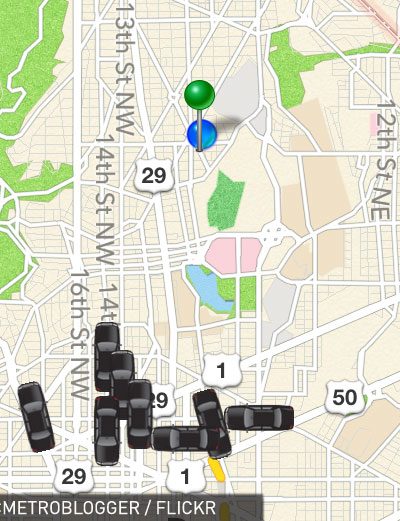
Apps like Uber and Lyft have access to a wide array of data on our smartphones, chief of which is the precise GPS location that each company uses to connect drivers and passengers.
Secret Use of Stingrays by Government Agencies Cause for Alarm
People deserve a voice in making informed community choices about the use of surveillance. One of the biggest roadblocks is that there is very little public information about the state of surveillance.
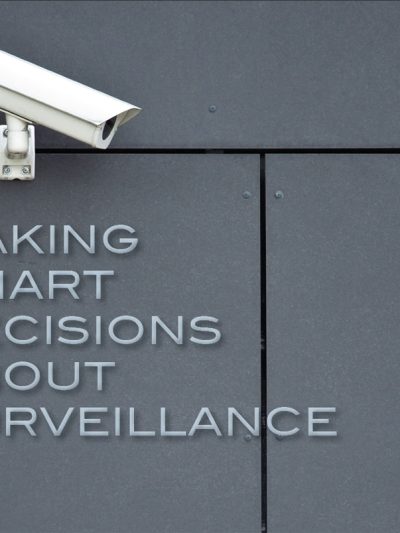
Is Your Community Making Smart Decisions about Surveillance?
"There ain't no such thing as a free lunch." The saying has been around for decades, but it has never been truer in an era where technology so often seems to promise something for nothing.
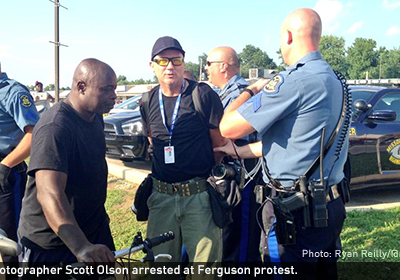
Ferguson's No-Media Zone Extended to the Skies
It appears the Federal Aviation Administration may have fallen into the "constitutional sinkhole" that is Ferguson, Missouri. Earlier this week, the Associated Press released an alarming set of documents revealing the FAA's decision to approve a no-fly zone over Ferguson – a no-fly zone requested by local police in order to muzzle media coverage of protests in the wake of the killing of unarmed black teenager Michael Brown.
Facebook Apologizes for Real Name Policy’s Impact, But No Real Changes Yet
Today the ACLU, along with a coalition of partner organizations, went to Facebook to urge it to fix its flawed “real name” policy and provide users meaningful due process.
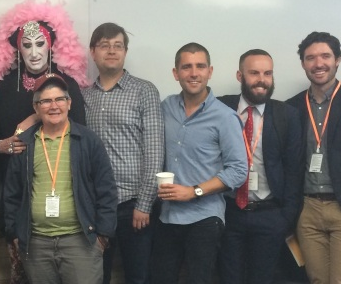
My Name Is... Why the ACLU is at Facebook Today
Today the ACLU is joining a broad coalition at Facebook’s headquarters and urging the social network to allow users to speak in their chosen voice by fixing its flawed “real name” policy.
New Safeguards for Students’ Social Media in California
When students at Glendale Unified School District learned through news reports last year that their Facebook and other social media accounts were being monitored by the district through a third-party company known as Geo Listening, students and parents were shocked, and so were we.

Stay Informed
Sign up to be the first to hear about how to take action.
By completing this form, I agree to receive occasional emails per the terms of the ACLU’s privacy statement.
By completing this form, I agree to receive occasional emails per the terms of the ACLU’s privacy statement.