
News & Commentary
The System Caught on Tape: Why We Need Body Cameras Now More Than Ever
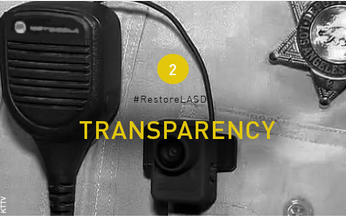
Today’s decision by a Staten Island grand jury not to indict NYPD Officer Daniel Pantaleo for having killed Eric Garner using a chokehold during an arrest for selling untaxed cigarettes has sparked enormous outcry and frustration. Garner’s killing was captured on video and has been viewed by millions. Does that mean that video doesn’t matter? That getting police to wear body cameras won’t help hold officers accountable?
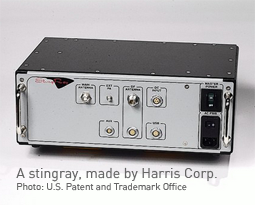
Is the Tide Beginning to Turn on StingRays?
In a welcome turn of events, courts are beginning to push back on the secretive use of StingRay devices, an intrusive cell phone surveillance technology. If law enforcement wants to use new surveillance tech, it can’t hide the information.
Pepper Spray Protests Lead to Strong Campus Free Speech Policies
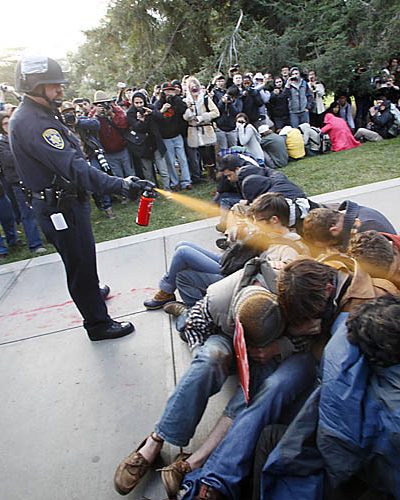
We filed a federal civil rights lawsuit on behalf of 17 students and two alumni who were brutally pepper-sprayed and arrested at UC Davis. Here's the university's new policy to protect the First Amendment.
Communities Under Surveillance in California
Back in 2012, the LA County Sheriff commissioned a small Cessna plane filled with cameras and had it secretly fly over the City of Compton for nine days. The Sheriff did not tell that city’s residents – many of whom are Black and Hispanic – they were being watched, that their private lives were being recorded, or that a private company would control their data. This story of surveillance is hardly unique – we know that many of California’s most diverse communities live in areas with multiple surveillance programs today. In the wake of NSA revelations and Ferguson, the public’s attention has been drawn to invasive programs backed by federal funds that are disproportionately affecting diverse communities. It’s unacceptable that in our democratic system these surveillance programs frequently move forward without public involvement or consent. The time has come to reverse this alarming trend.
Secret Use of Stingrays by Government Agencies Cause for Alarm
People deserve a voice in making informed community choices about the use of surveillance. One of the biggest roadblocks is that there is very little public information about the state of surveillance.
Prop 47, Fear-Based Politics, and the Mandate for Sentencing Reform
Californians want smart criminal justice strategies and recognize that longer sentences, especially for low-level, nonviolent crimes, have not made our communities any safer. The question is whether our political leaders in Sacramento are listening.

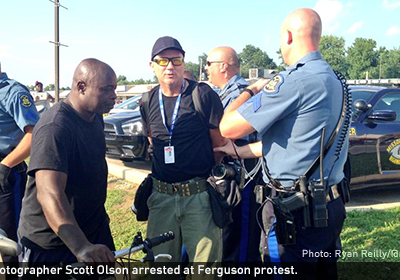
Ferguson's No-Media Zone Extended to the Skies
It appears the Federal Aviation Administration may have fallen into the "constitutional sinkhole" that is Ferguson, Missouri. Earlier this week, the Associated Press released an alarming set of documents revealing the FAA's decision to approve a no-fly zone over Ferguson – a no-fly zone requested by local police in order to muzzle media coverage of protests in the wake of the killing of unarmed black teenager Michael Brown.
Legislative Roundup: 2014 in California Civil Liberties
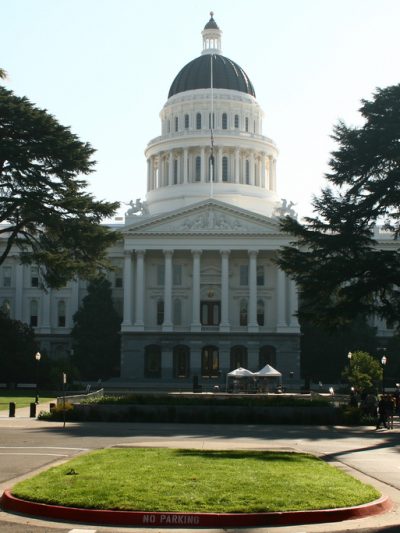
As the 2014 California legislative session came to an end, you may have seen headlines about California passing a “first-in-the-nation law.” While these headlines covered issues such as the statewide plastic-bag ban, they also applied to landmark civil liberties and civil rights legislation sponsored by the ACLU of California.
Don't Deny Sick Patients Access to their Medicine
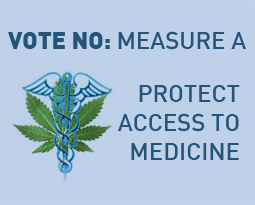
Accessing medicine prescribed by a doctor should never be a crime, but Shasta County’s Measure A would make some medical marijuana cultivation a misdemeanor offense. Sick people should not be criminalized for their efforts to grow the medicine necessary to deal with the pain of debilitating diseases.
Stay Informed
Sign up to be the first to hear about how to take action.
By completing this form, I agree to receive occasional emails per the terms of the ACLU’s privacy statement.
By completing this form, I agree to receive occasional emails per the terms of the ACLU’s privacy statement.