
News & Commentary
Police Violence on Peaceful Protesters Threatens the Health of Our Democracy
We've heard it all over the country, that Occupy encampments must come down because of "health and safety concerns."
Judge to Feds: to Track Cell Phones, Get a Warrant
Catherine CrumpACLU National Office
By ACLU of Northern California

ACLU to OPD: No Seriously, Hand Over the Info
The Oakland Police Department oversaw the use of excessive force against Occupy Oakland demonstrators, and now the department is refusing to hand over information about what really happened.
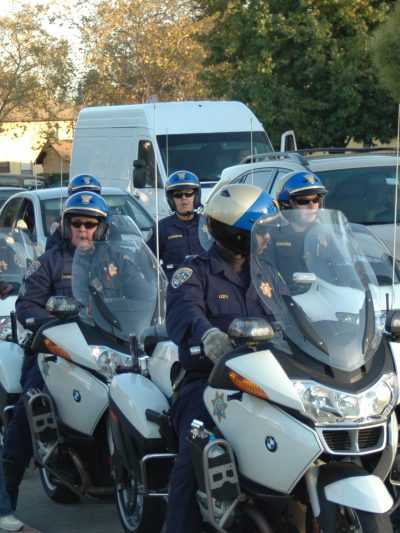
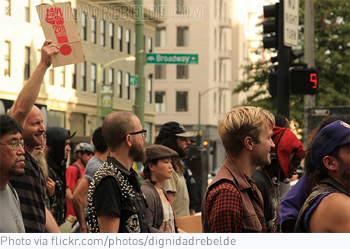
This is What the First Amendment Looks Like
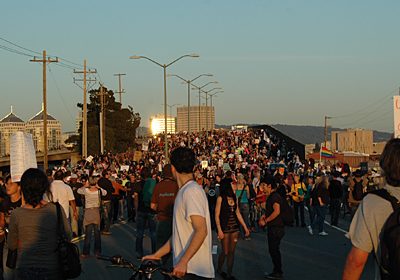
The day after an enormous peaceful demonstration, and the first general strike this country has seen since the 1940s, some of the focus has turned to bonfires and tear gas. But as we continue looking into what happened during late-night clashes between demonstrators and the police, let's not forget the voices of the thousands upon thousands of people who peacefully came together and marched through the streets of Oakland. That's the First Amendment in action.
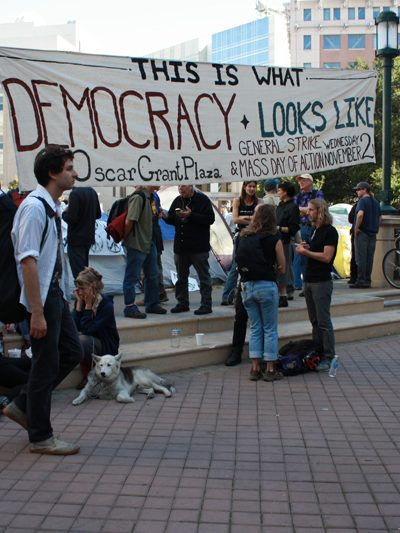
Oakland Police Internal Investigation Isn't Good Enough
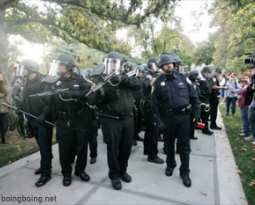
In response to the Oakland Police Department’s (OPD) transformation last week of downtown Oakland into this battle zone-like scene, the ACLU of Northern California and the National Lawyers’ Guild demanded that OPD conduct a full and independent investigation of the recent enforcement actions on Occupy Oakland.
When Will the Oakland Police Learn?
Picture this. In response to a peaceful anti-war protest, the Oakland Police Department uses large wooden bullets, sting ball grenades and shot-filled bean bags, as a result of which at least 58 protesters are injured. That was 2003, and unfortunately sounds eerily similar to reports of OPD's response to an Occupy Oakland demonstration yesterday evening, in which bean bags or other projectiles appear to have been fired directly into crowds and multiple rounds of tear gas were used.

Oakland Police Raid on Occupy Oakland Raises Serious Questions
Today's early morning raid by the Oakland Police Department on Occupy Oakland raises a number of questions.
DC Judge: Government Doesn't Need a Warrant to Demand Cell Phone Location Information
These days, most people carry a cell phone with them everywhere they go: to work, to church, on vacation, and more. And cell phone carriers may capture and retain records of your location even when you're not using your phone. Does that mean that the government can simply demand these records from your carrier without a warrant? Unfortunately, according to Judge Royce Lamberth of the D.C. District Court, the answer to that question is ';yes.'

Stay Informed
Sign up to be the first to hear about how to take action.
By completing this form, I agree to receive occasional emails per the terms of the ACLU’s privacy statement.
By completing this form, I agree to receive occasional emails per the terms of the ACLU’s privacy statement.