
News & Commentary
Microsoft Says it Supports Racial Justice. Will it Refuse to Power Discriminatory Police Surveillance?
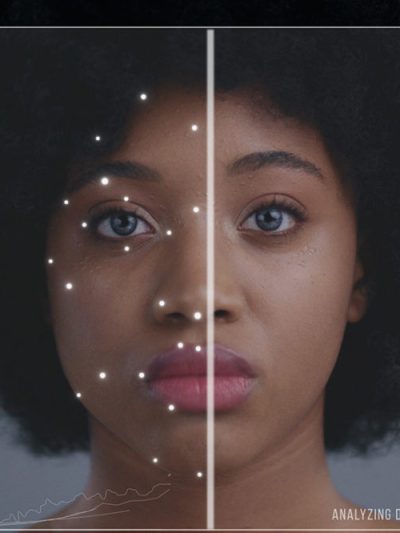
In Response to the Murder of George Floyd
The killing of George Floyd on May 25 has returned the spotlight on racist policing and the dehumanization of African Americans in the criminal legal system. We share the grief and anger that’s spilling into the streets calling for justice.
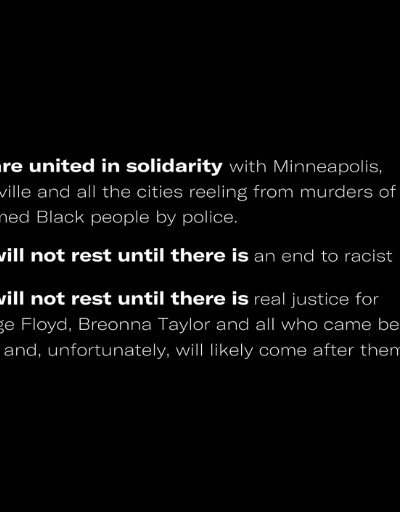
If COVID-19 Doesn’t Discriminate, Then Why Are Black People Dying at Higher Rates?
To provide meaningful protection and support for all members of the community, a COVID-19 response must address the pervasive racial injustices at the federal, state, and local level.
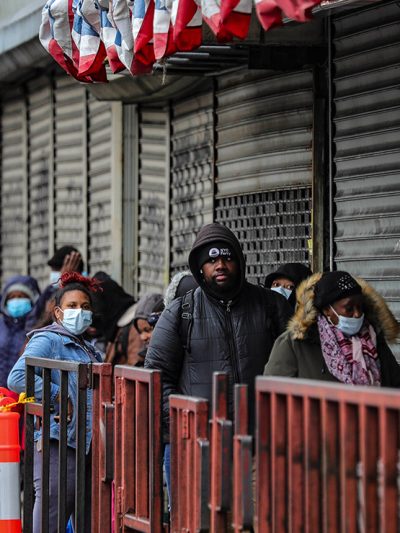
Let’s Stop the Scapegoating During a Global Pandemic
Just like tens of millions of people sheltering in place in the U.S., I’m adjusting to the new realities and worries of day-to-day life during the COVID-19 pandemic. But on top of worrying about my elderly family members, U.S. hospitals’ shortage of basic medical equipment, or where I can find toilet paper and eggs, I have another fear. Like other Americans of East Asian descent (including citizens and non-citizens), I worry that I might be attacked on the street or in a store because of my race.
There are so many news reports that spur my concerns. For example, on March 14, a man in Midland, Texas, attacked an Asian American family shopping at a Sam’s Club store, stabbing three members of the family, including a two-year-old and a six-year-old child, as well as an employee. The attacker said that he targeted the family because he believed, based on the family’s race, that they were spreading the COVID-19 virus. The FBI categorized the attack as a hate crime, and more generally warned of a potential surge in bias-based attacks on Asian Americans.


California Is Ready to Ensure Every Public College Student Has Access to Abortion
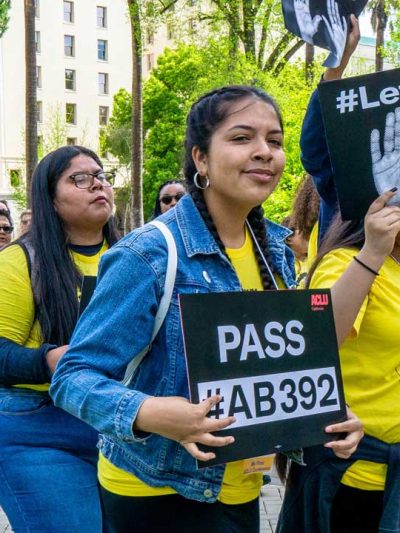
In a year when we’ve seen states throughout the South and Midwest move to ban abortion and restrict access to reproductive health, California could soon cement its reputation as a leader in reproductive freedom. This past week, the state legislature passed SB 24 to ensure that medication abortion is available to college students in public universities.
Jessy Rosales, a UC student, struggled with paying for care and dealing with the complexities of insurance plans when she needed an abortion. She had to go off campus to three different providers, which took time away from class, work, and other responsibilities. Jessy’s grades slipped as she tried to navigate the obstacles to getting an abortion. Such financial, logistical, and emotional tolls are completely unnecessary.


Stay Informed
Sign up to be the first to hear about how to take action.
By completing this form, I agree to receive occasional emails per the terms of the ACLU’s privacy statement.
By completing this form, I agree to receive occasional emails per the terms of the ACLU’s privacy statement.