
News & Commentary
Why Paid Sick Leave Is a Reproductive Justice Issue
Even though we live in a state where Medi-Cal dollars can be used for pregnancy care, including abortion, many people cannot take time off work to seek abortion care. That’s because 39% of the US workforce, including seven million Californians, earn no paid sick leave whatsoever. AB 1522 by Assemblymember Lorena Gonzalez addresses this problem in California.
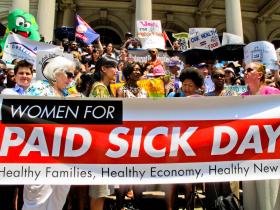
Every Californian Deserves Access to Affordable Birth Control
If implemented, SB 1053 (Mitchell), would help protect women’s health by building on existing federal and California state law to eliminate remaining restrictions on access to contraception.

Take Action: Diapers Keep Babies Healthy and California Families Strong
State programs that otherwise provide support to California’s poorest families include diapers on a list of disallowed items along with alcohol and cigarettes. This means that these families aren’t receiving the help they need to keep their babies in clean diapers.

Fixing School Funding for Vulnerable Students in Stockton
Barely a generation ago, California’s schools were the greatest in the nation. Now, the state’s education is abysmal, ranking 49th in the nation on how much it spends on students.
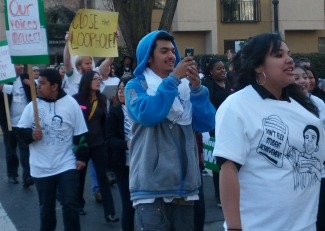
Enough Is Enough: Poor Women Are Not Having Babies for Money
When I was young, my mom was on welfare. She wasn’t unlike other moms on our South Los Angeles block: single, working multiple jobs, and doing her best to keep her head above water. My mom braved the stigma that is tethered to receiving state benefits. Braving it is what poor people do…
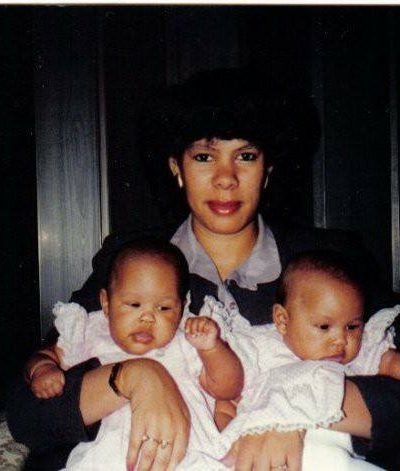
If It’s Broke, Fix it. How 20 Years of Unsuccessful Legislation is Hurting California Families
California has long been a leader in ensuring social safety net programs for poor families but the Maximum Family Grant (MFG) rule is hurting our reputation. The MFG rule says that if a parent or guardian has been receiving aid from CalWORKS for ten months consecutively, any child conceived within that timeframe is blocked for life from receiving the same assistance granted to their siblings.
Fostering Success Among Pregnant and Parenting Foster Youth
A recent report titled California’s Most Vulnerable Parents: A Population-Based Examination of Youth Involved with Child Protective Services captures the existing need to provide services and resources to a vulnerable and often forgotten population—pregnant and parenting foster youth.
By Angélica Salceda

Evict an Entire Family Because a Child Misses School? No Way, Says ACLU
The ACLU of Northern California, along with other public interest and legal services organizations, won an important victory last week for families who live in public housing.

Expanding Prenatal Care for Working Poor Women
Until December 2008, California required that women reside here for six months before they were eligible to receive essential health services through the state’s Access for Infants and Mothers program. The ACLU of Northern California joined with other public interest organizations to challenge the rule on behalf of Maternal and Child Health Access, a non-profit organization.
By ACLU of Northern California
Stay Informed
Sign up to be the first to hear about how to take action.
By completing this form, I agree to receive occasional emails per the terms of the ACLU’s privacy statement.
By completing this form, I agree to receive occasional emails per the terms of the ACLU’s privacy statement.