
News & Commentary
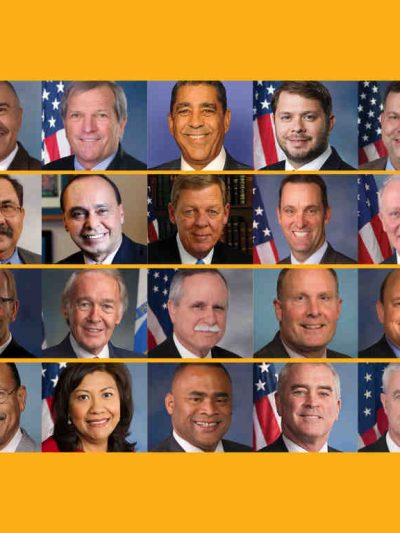
Amazon’s Face Recognition Falsely Matched 28 Members of Congress With Mugshots
In a test the ACLU recently conducted of Amazon's facial recognition tool, called “Rekognition,” the software incorrectly matched 28 members of Congress, identifying them as other people who have been arrested for a crime. The false matches were disproportionately of people of color.
By Jacob Snow
No Peace Without Justice
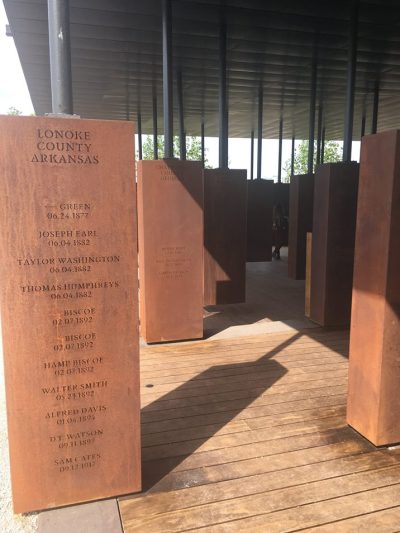
On the 150th Anniversary of the 14th Amendment, we’re talking about a promise of equality that was bookended by violence. On the front end was the vicious enslavement of Black people; on the back-end was the Jim Crow era, a response that successfully and brutally reinforced racial segregation in opposition to the rights afforded Black people by the 14th Amendment. In both cases, violence was protected and condoned by the legal system in the laws as written during slavery, and in the failure to provide equal protection of the law in the face of that violence during Jim Crow.
California, Say Her Name
As stories of state violence against Black men and boys occupy many of the calls for police reform, countless stories of Black women and girls subjected to excessive force and police misconduct remain untold. We must say their names.

Equity Requires Honest Conversations. Calling Out White Supremacy is a Good Start.
Starbucks. Colorado State College. Air B&B. Nordstrom Rack. Yale University. Grandview Golf Club. Oakland's Lake Merritt. In the last month, “incidents” in each of these locales have made headlines, incidents in which white people have called the police on people of color—either African American or Native American—accusing them of everything from burglary to acting suspicious to golfing too slowly. What is remarkable is not that these “incidents” are happening, but that they are being covered by national news outlets, documented by passers-by, and spread on social media. People of color know these kinds of “incidents” are not unusual. They happen every day. It is also remarkable that in every one of these cases, no person of color was shot by the police. Instead, apologies are issued, CEO’s promise to make changes and/or require training, and they assert that “what happened does not represent the culture of our company/university/community, etc.”

50 Years After MLK’s Assassination, We Remain Two Societies, ‘Separate and Unequal’
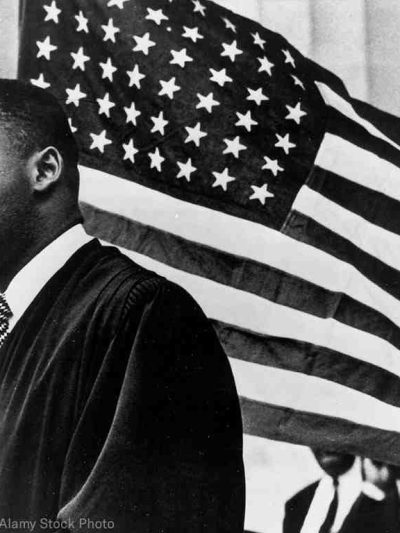
On April 4, 1968, I was 11 and growing up in Memphis when the news came that Martin Luther King had been murdered. My parents couldn’t hide how bad it was – they were angry. They were afraid. And most memorably to my childhood self, they were crying. I couldn’t articulate it at the time, but I know now that I was afraid that killing the dreamer could kill the dream.
Cultural Incompetence: My Son was Kicked out of Class Because of His Hair
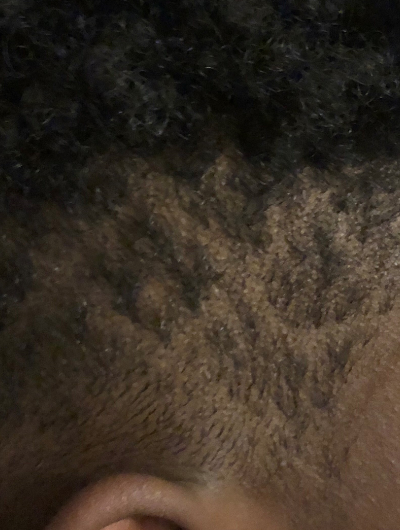
When my son recently brought home a certificate for making honor roll at his middle school, I was so proud. That quickly faded the next day when I received several calls from my child informing me that he had been pulled out of class. Because of his hair.
Spread California Love for the Defiant Ones
In California, the broad “disruption or willful defiance” category is a legit reason to suspend students from school. This subjective category must be abolished - here's why.
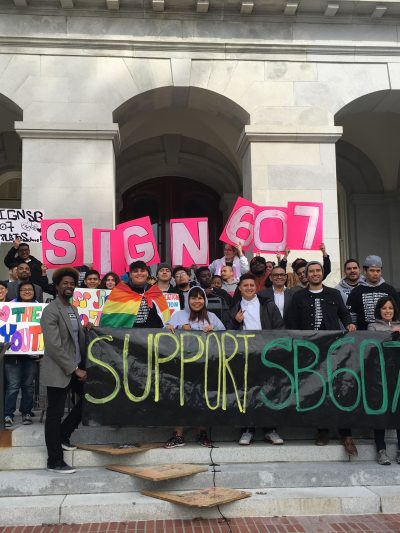
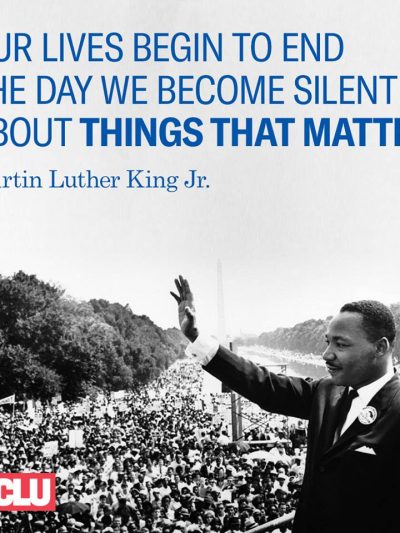
Fifty Years After MLK’s Death, We’re Still Fighting for Civil Rights
In commemoration of Martin Luther King Jr.'s legacy and the Civil Rights Movement, we’ve put together some highlights of the work we’re doing to promote racial justice, stop discrimination based on race and ethnicity, and ensure equal opportunities for communities of color.
Stay Informed
Sign up to be the first to hear about how to take action.
By completing this form, I agree to receive occasional emails per the terms of the ACLU’s privacy statement.
By completing this form, I agree to receive occasional emails per the terms of the ACLU’s privacy statement.