
News & Commentary
ACLU to Fresno: Don't Block Marriage Equality Rallies
It's LGBT Pride Month across the country, and all eyes are on the U.S. Supreme Court as we wait for decisions in two cases involving marriage for same-sex couples. So why is the City of Fresno blocking local marriage equality supporters from holding a rally? The ACLU stepped in today to make sure the city isn't silencing free speech.

Legislative Assault on the Public Records Act
In a move that threatens the ability of Californians to hold their elected officials accountable to the public interest, the legislature late last week included a sly, last-minute amendment to the 2013-2014 budget now awaiting Gov. Jerry Brown's signature that substantially limits the public's right to know what our local leaders are doing in our name.
Ask the Experts! Comprehensive Sex Education
Abstinence-only-until-marriage instruction is still taught in a surprising number of Northern California school districts, despite a state law that prohibits it in public schools. Reproductive Justice Policy Director Phyllida Burlingame discusses the challenges of enforcing the law and what the ACLU is doing to help young people get the information they need to protect their sexual and reproductive health.
By ACLU of Northern California
Call Logs? Try Kilowatts: Reports Reveal Demands for California Energy Data
Amid recent revelations that the NSA has been secretly spying on phone records and the Internet activity of people in the United States, transparency reports filed by the California utilities companies and obtained by the ACLU of California show that a significant amount of data about the energy use of Californians is also ending up in the hands of third parties. In 2012, a single California utility company, San Diego Gas & Electric, disclosed the smart meter energy records of over 4,000 of its customers.
Is Alameda County's Sheriff Still Planning on Pursuing a Drone?
Today, we sent a letter to the Alameda County Sheriff asking him whether he plans to pursue his earlier-announced plans to acquire a drone. Budget documents we obtained through a Public Records Act request suggest that he is not planning to acquire a drone in Fiscal Year 2013-14. But a conclusive answer from his office would provide the public with the clarity and transparency it deserves.
Drug Sentencing Reform Bill Moves Closer to Becoming Law After Approval by Assembly Committee
If a lengthy jail sentence kept people from becoming addicted, we wouldn't have any drug problems. But California knows from experience that lengthy jail sentences for possession of a small amount of drugs for personal use just makes things worse – wasted lives, overcrowded jails, and devastating budget deficits. Fortunately, California may be about to turn the corner toward commonsense reform.
ACLU of California Speaking Up Against Secret Spying
The ACLU of California has joined 85 other leading privacy groups, academic institutions, and businesses to call on Congress to take immediate action to halt the secret spying by the National Security Agency (NSA) on phone records and Internet activity of people in the United States and provide a full public accounting of the NSA's and the FBI's data collection programs. See letter below and take action today!
VICTORY! San Joaquin County Becomes a Leader in Criminal Justice Reform
This week, when the San Joaquin County Board of Supervisors rejected an enormously expensive proposal to double the size of the county's jail, it made the county a shining example of local government favoring "smart on crime" policies that enhance public safety and reduce incarceration over the dusty old "tough on crime" platitudes of the past.
No Scarlet Letter for Undocumented Immigrants
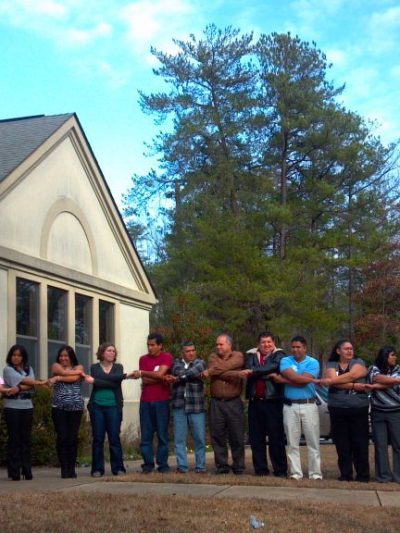
As an organizer with the ACLU, I can't help but feel immensely proud to see people participating in civic engagement and advocacy for the very first time. The power of that experience felt particularly real as I read the news of AB 60 passing the California Assembly last week the bill that would make obtaining a driver's license more accessible for all people living and working in California, regardless of immigration status. In particular, I thought of Alvar,* a man I met recently.
Stay Informed
Sign up to be the first to hear about how to take action.
By completing this form, I agree to receive occasional emails per the terms of the ACLU’s privacy statement.
By completing this form, I agree to receive occasional emails per the terms of the ACLU’s privacy statement.