
News & Commentary
Help Wanted: How You Can Act Locally To Stymie Trump’s Agenda
Donald Trump told the American public, repeatedly, that upon taking office his policy agenda will include efforts to identify and immediately deport millions of undocumented immigrants, to track and surveil Muslims throughout the country, and to push for even more aggressive policing against communities of color. He may play fast and loose with facts, but when it comes to his most outrageous campaign promises, Trump is showing himself to be a man of his word.

Trump Has the Keys to the Surveillance State, but CA has a Long History of Changing the Locks
When Donald Trump takes the oath of office, he will inherit an unprecedented surveillance state that includes expansive powers and databases filled with information on millions of people.

Twitter Cuts Off Fusion Spy Centers’ Access to Social Media Surveillance Tool
As of this week, Twitter has made sure that federally funded fusion centers can no longer use a powerful social media monitoring tool to spy on users. After the ACLU of California discovered the domestic spy centers had access to these tools, provided by Dataminr (a company partly owned by Twitter), Dataminr was forced to comply with Twitter’s clear rule prohibiting use of data for surveillance.
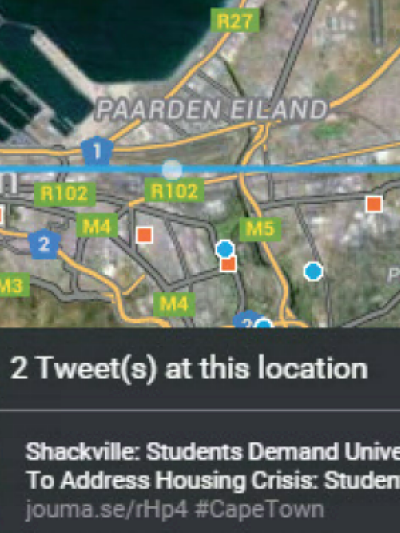
President-Elect Trump Will Soon Have the Keys to the Surveillance State
On January 20, President Obama will hand Donald Trump the keys to the surveillance state. What can you do to protect against government spying?
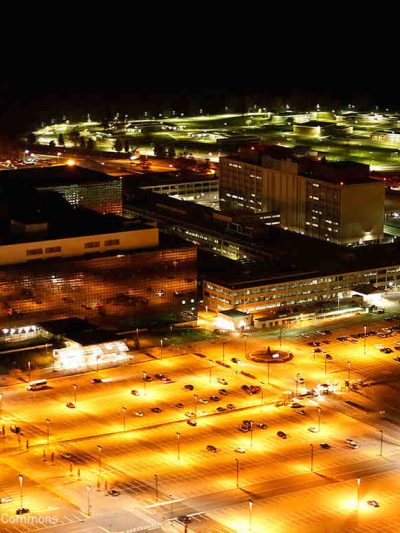
Facebook, Instagram, and Twitter Provided Data Access for a Surveillance Product Marketed to Target Activists of Color
The ACLU of California has obtained records showing that Twitter, Facebook, and Instagram provided user data access to Geofeedia, a developer of a social media monitoring product that we have seen marketed to law enforcement as a tool to monitor activists and protesters.

Police Use of Social Media Surveillance Software is Escalating, and Activists are in the Digital Crosshairs
It goes without saying that speaking out against police violence or government overreach shouldn’t land you in a surveillance database. But it can, and it does.The ACLU of California has
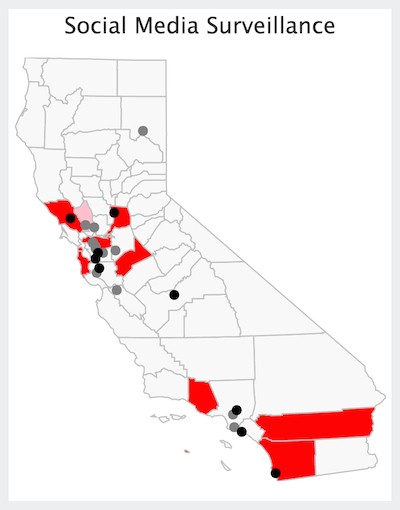
It's Time to Shine a Light on Police Surveillance in Fresno
When you are having meetings about transparency and building trust with law enforcement, the last thing you expect to hear is that they may be secretly spying on you. But that is exactly what happened to us as community activists with Fresno Faith In Community/Live Free.
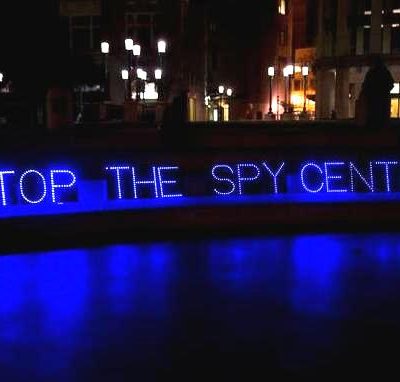
Interrupting Surveillance in Silicon Valley and Beyond
Public cynicism about government is at an all-time high – and we all know the reasons. That's why it's pretty remarkable when activists use public government processes to attack a scary and overwhelming problem like surveillance – and it works.
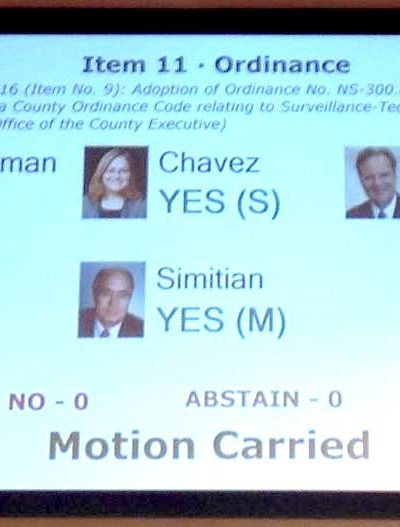
How the Fight to Stop Oakland's Domain Awareness Center Laid the Groundwork for the Oakland Privacy Commission
When Edward Snowden blew the whistle on the NSA in 2013, I didn’t yet know that my own city of Oakland had futuristic surveillance problems of our own. Oakland had quietly embarked on a path towards building a city-wide surveillance network called the Domain Awareness Center (DAC), comprised of over 700 cameras throughout schools and public housing, facial recognition software, automated license plate readers (ALPRs), and 300 terabytes of storage for all the data they anticipated collecting on Oakland residents.
Stay Informed
Sign up to be the first to hear about how to take action.
By completing this form, I agree to receive occasional emails per the terms of the ACLU’s privacy statement.
By completing this form, I agree to receive occasional emails per the terms of the ACLU’s privacy statement.