
News & Commentary
How the Fight to Stop Oakland's Domain Awareness Center Laid the Groundwork for the Oakland Privacy Commission
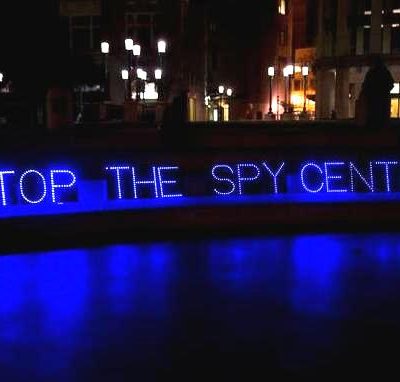
When Edward Snowden blew the whistle on the NSA in 2013, I didn’t yet know that my own city of Oakland had futuristic surveillance problems of our own. Oakland had quietly embarked on a path towards building a city-wide surveillance network called the Domain Awareness Center (DAC), comprised of over 700 cameras throughout schools and public housing, facial recognition software, automated license plate readers (ALPRs), and 300 terabytes of storage for all the data they anticipated collecting on Oakland residents.
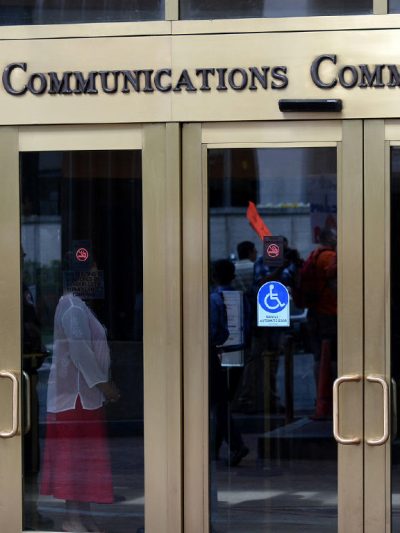
ACLU to FCC: Stop Secret Discriminatory Stingray Surveillance
The ACLU and EFF are urging the Federal Communications Commission to order local police to stop using Stingrays, at least until the FCC can create rules to protect against excessive secrecy and abuse.
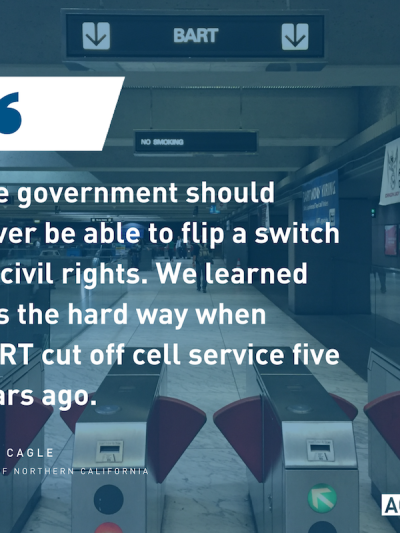
Five Years Later, BART's Cell Service Shutdown is Still a Wakeup Call
Five years ago today, BART made the unprecedented decision to shut off cell service at multiple stations in order to suppress a protest. Scores of riders were left without the ability to communicate.
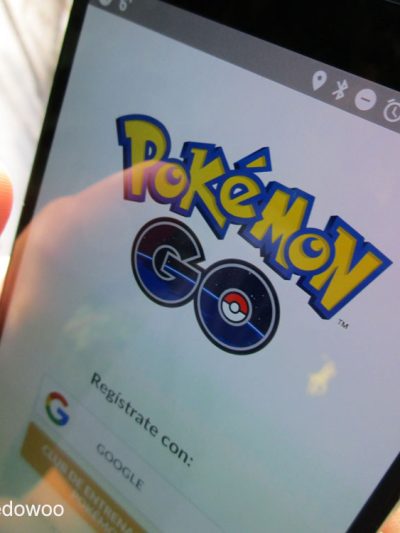
When Privacy Gets in the Way of Becoming a Pokémon Master
I’m the first to admit: I love Pokémon Go. Another thing I love? Privacy. I was shocked to find out that in signing up to explore the Pokémon world, I'd given Pokémon Go permission to explore my Gmail inbox.
Will Apple's New Patent Push Delete on Ability to Record Police?
Imagine: You pull out your phone to record police misconduct—suddenly, your camera just doesn’t work. Turns out, your phone’s camera has been disabled by an infrared emitter. Apple’s newly patented technology may make this possible. The technology places an infrared sensor in your phone that has the potential to be disabled remotely. While the technology is being promoted as a tool to prevent the filming of copyrighted material, we think it has the potential to undermine efforts to hold law enforcement accountable.
Santa Clara County Passes Landmark Law to Shut Down Secret Surveillance
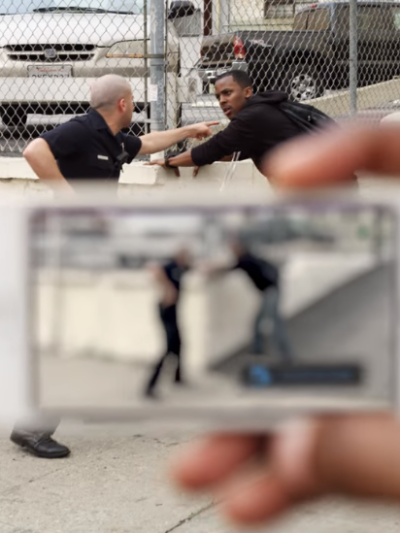
Santa Clara County has passed a landmark law to stop secret and discriminatory surveillance. The passage of this new law comes on the heels of San Jose's secret acquisition of a drone, the Santa Clara Sheriff's attempt to quietly buy an invasive cell phone tracking device, and revelations that Fresno and Bay Area police departments have been using social networking software that monitors Black Lives Matter activists.
The Government Is Trying to Influence Speech on Social Media – But How?
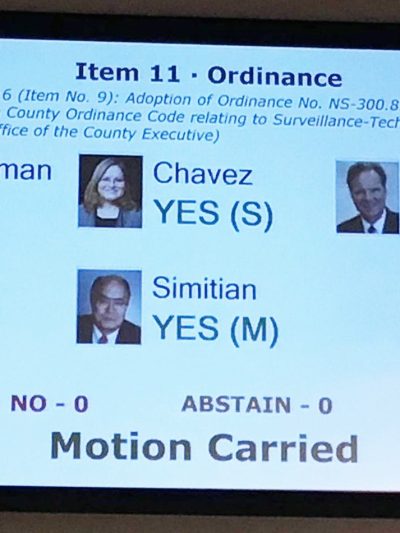
It’s pretty simple: our social media content is protected by the First Amendment. That’s why the ACLU is concerned that the federal government is pressuring social media companies to limit content on platforms that hundreds of millions of people use every day.

Twitter Should Refuse to Sell Your Tweets to Local Law Enforcement
Yesterday, the Wall Street Journal reported that Twitter is no longer going to allow US intelligence agencies to access a Twitter-affiliated business service that compiles and analyzes the hundreds of millions of daily tweets on the service.
Together We Can Put a Stop to High-Tech Racial Profiling
This week, we’re attending the “Color of Surveillance” conference in Washington, D.C., meeting leaders and activists from across the country who are shining a light on discriminatory surveillance. When technology advances, the tools of surveillance change but the color of surveillance remains the same. Here in California, we’re seeing communities fighting back against the secretive purchase and unaccountable use of surveillance technologies like Stingrays, license plate readers, and social media surveillance software.
Stay Informed
Sign up to be the first to hear about how to take action.
By completing this form, I agree to receive occasional emails per the terms of the ACLU’s privacy statement.
By completing this form, I agree to receive occasional emails per the terms of the ACLU’s privacy statement.