
News & Commentary
Hey, Social Networks: Real Transparency Means Explaining All Content Removals
When Twitter released its most recent transparency report in late February, users got their first glimpse into the content the company removes for violating its terms of service after it receives formal legal demands. This is a step forward.

Why I Support Privacy, and Security, in Apple vs. FBI
Today is not a typical ACLU day for me.
New ACLU Guide: Tips for Tech Companies on Protecting User Privacy and Free Speech in 2016
The privacy and free speech mistakes of tech companies led to tons of embarrassing and costly stories last year. These missteps could've been avoided with better planning and processes in place, but many companies lack the resources to navigate this terrain.

ACLU of Northern California Statement on Hernan Jaramillo’s Death in Oakland Police Custody
The ACLU of Northern California is outraged by the death of Hernan Jaramillo, who died in 2013 while Oakland police officers restrained him and ignored his cries of “I can’t breathe.” Footage of the incident was released this week by the Oakland Tribune.
Dirtbox Over Disneyland? New Docs Reveal Anaheim’s Cellular Surveillance Arsenal
Anaheim Police have spent almost a decade secretly building an inventory of powerful cell phone surveillance devices and making them available to neighboring cities in Orange County, Documents obtained [MC1] by the ACLU of California reveal.

It’s a New Year: Here Are Six Digital Privacy Resolutions to Keep
This January, as you consider a gym membership or taking up a new instrument, you also have the opportunity to commit to something else: a more private and secure digital life. Here are six easy steps you and your loved ones can take to help safeguard your digital life this coming year.

A New Year for Digital Privacy
It’s a new year, and that means it’s time to move on from the past and turn towards the future. Put those holiday decorations back in boxes for the foreseeable future. Find a new strategy to ensure that you’re really going to live up to your resolutions this time. And enjoy a new era of digital privacy in California as CalECPA (SB 178) goes into effect.

Real Changes to Facebook's 'Real Name' Policy
Facebook just announced concrete changes to its harmful “real name” policy. Following up on its promise to groups including the ACLU of California, the changes are meant to reduce risks such as abusive reporting and lockouts of users and their speech from the site.

This Surveillance Software is Probably Spying on #BlackLivesMatter
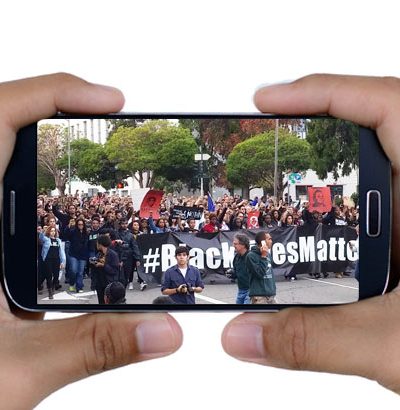
We just got a pile of public records from the police department in Fresno, California. Fresno police have been using several different brands of social media surveillance software – all without the public’s consent. What’s worse, the ACLU has discovered that Fresno police have been using an especially offensive piece of software called MediaSonar, which encourages the police to identify “threats to public safety” by tracking #BlackLivesMatter-related hashtags.
Stay Informed
Sign up to be the first to hear about how to take action.
By completing this form, I agree to receive occasional emails per the terms of the ACLU’s privacy statement.
By completing this form, I agree to receive occasional emails per the terms of the ACLU’s privacy statement.