
Stand Up to Tyranny
Don't miss news and updates on our campaigns, cases, and community.
The Latest

Get Flock Cameras Out of Your Community
Learn how to fight the proliferation of Flock Safety cameras and other automatic license plate readers (ALPRs) in your city. Get facts, sample letters, and advocacy tools from the ACLU of Northern California.

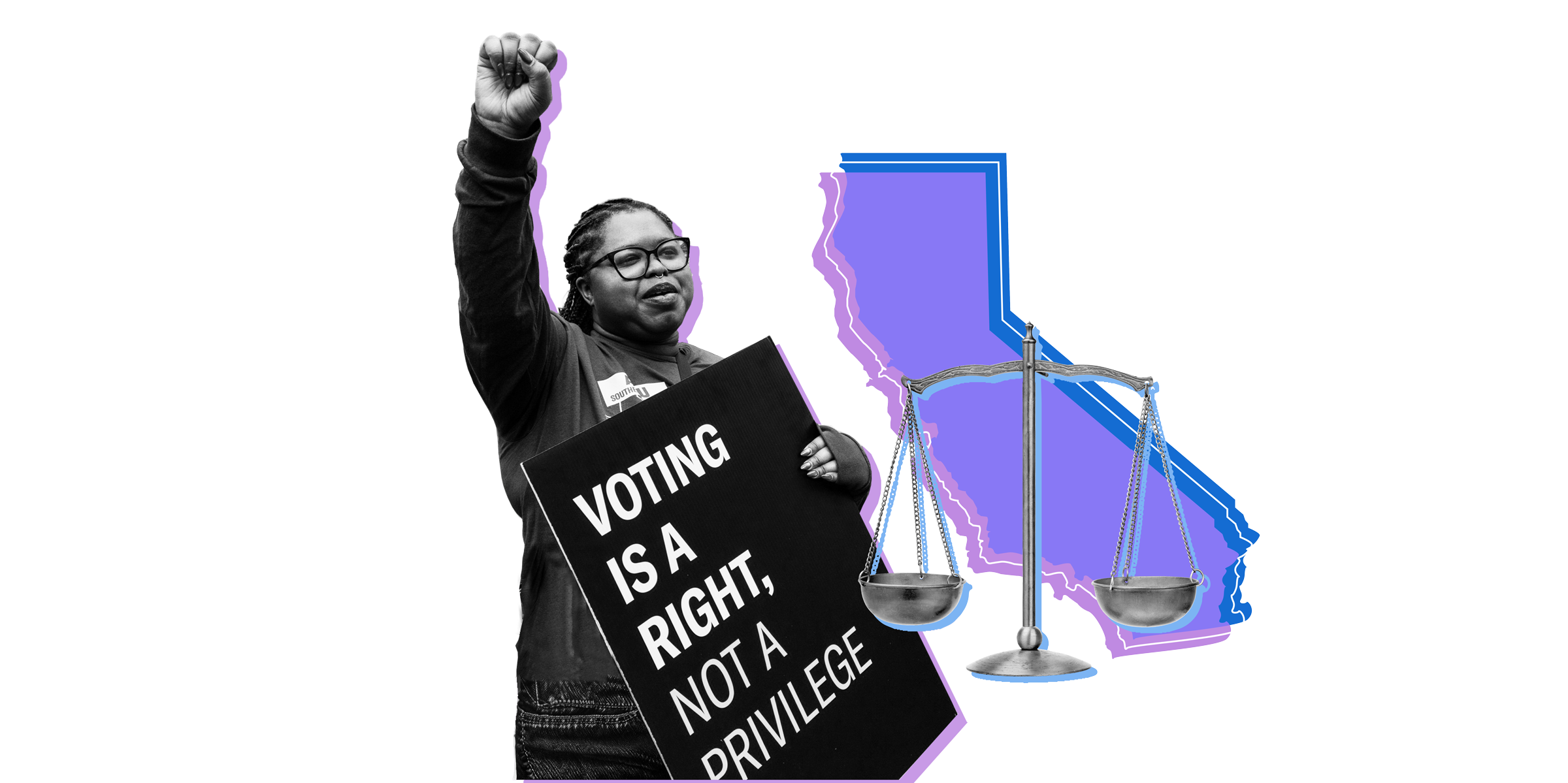
2026 Voter Guide
California's 2026 General Election is Tuesday, November 3. Get ready to vote and vote early!

Press Releases
Sep 16, 2026
Researchers Challenge NIH Screening of Grants for Disfavored Viewpoints
Class action lawsuit seeks to stop censorship and termination of federally funded scientific research
Issues We're Monitoring
Know Your Rights: Temporary Protected Status
Understand your rights if you have Temporary Protected Status (TPS), or if your TPS was recently ended.

Featured Case
Our case Pablo Sequen, et al. v. Albarran, et al. has won a nationwide ban on the Trump administration's policy of arresting immigrants when they appear for court in Northern California and holding them in inhumane conditions.

Make an impact
Get Involved
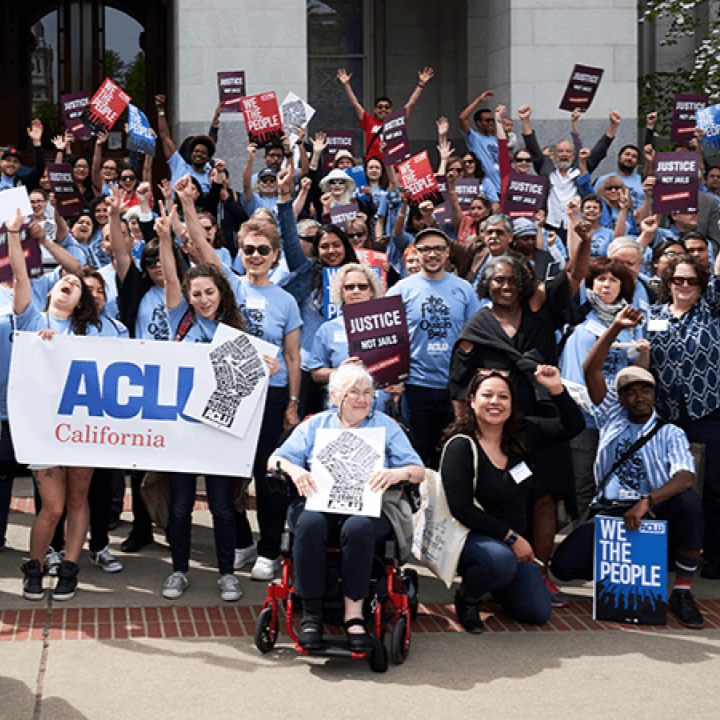
Learn more about and support the ACLU of Northern California's work to defend civil liberties and civil rights in our region and across the Country.


Stay Informed
Sign up to be the first to hear about how to take action.
By completing this form, I agree to receive occasional emails per the terms of the ACLU’s privacy statement.
By completing this form, I agree to receive occasional emails per the terms of the ACLU’s privacy statement.