
Temporary Protected Status
Last updated: August 12, 2026 09:46 am

On June 25, 2026, the Supreme Court issued a ruling in Mullin v. Doe that has devastating implications for many people with Temporary Protected Status (TPS). TPS has historically allowed people from specific countries to remain in the US and to work here if it is not safe for them to return home due to war, disasters, or other emergencies.
The ruling allowed the Trump administration to end TPS for Haitians and Syrians, which it has now done. The ruling also largely clears the way for the Trump administration to end TPS for people from other countries, if it chooses to do so.
Click here to see the latest updates about the status of TPS for Afghanistan, Burma (Myanmar), Cameroon, El Salvador, Ethiopia, Honduras, Hong Kong, Lebanon, Liberia, Nepal, Nicaragua, Somalia, South Sudan, Sudan, Ukraine, Venezuela, and Yemen.
Select a Scenario
Am I still authorized to work in the US if my TPS ends?
If you have a work permit based on your TPS, it remains valid until your TPS ends. In general, once your TPS ends, your work authorization ends, unless you have a different status that entitles you to work authorization.
What happens when my TPS ends?
TPS provides protection against detention and deportation, as well as legal authorization to work. You may have both TPS and some other status.
If you only have TPS, and do not have any other status or a pending application that permits you to remain in the U.S., and your TPS ends, you will be considered to be unlawfully present and removable.
This does not mean that you are likely to be detained or deported from your home or in public, but does significantly increase the risk of detention and deportation from any interaction with immigration authorities. Not all pending applications protect you from being detained or deported.
Is there anything I can do to stay in the US lawfully?
Being in the U.S. for a period of time (more than six or twelve months) without authorization can bar you from re-entering the U.S. if you leave the country.
Some TPS holders have already accrued “unlawful presence” that would bar re-entry, however, unlawful presence does not hinder you from obtaining certain forms of relief and there are certain exceptions which may apply. Whether you should be concerned about the unlawful presence bar is specific to your situation. It is important that you consult a trusted immigration lawyer.
If I choose to remain in the US after my TPS ends, would this hurt my future chances to obtain lawful immigration status in the US?
Being in the U.S. for a period of time (more than six or twelve months) without authorization can bar you from re-entering the U.S. if you leave the country.
Some TPS holders have already accrued “unlawful presence” that would bar re-entry, however, unlawful presence does not hinder you from obtaining certain forms of relief and there are certain exceptions which may apply. Whether you should be concerned about the unlawful presence bar is specific to your situation. It is important that you consult a trusted immigration lawyer.
If my TPS ends, and I remain in the US, do I still have any rights?
All people in the US have basic Constitutional rights, regardless of their immigration status. This includes the right to remain silent, the right not to consent to a search of your home, and the right to seek assistance from a lawyer. Learn more here.
What can Congress do?
Congress has the power to pass legislation protecting people from TPS from deportation. In fact, members of the House of Representatives are now attempting to pass the Dream and Promise Act, which would provide many people who have or had TPS with a path to citizenship. There are other bills that address the crisis facing people with TPS, including the SECURE Act, and country specific bills, including a bill extending TPS for Haitians, which passed the House but has yet to be considered in the Senate.
What can I do now to prepare for the possibility of losing my TPS and being arrested by ICE?
- Seek out a qualified immigration attorney to discuss your options.
- Gather your essential documents and develop an emergency plan to have in place in the event that you are detained and deported.
- Consider reaching out to your member of Congress and having a DHS Privacy Release Form filled out in advance, so your Representative or Senator can inquire about your case if you are detained.
What type of documents should I gather?
Collect essential documents and let a trusted friend or family member know where to find them if you are detained:
- Official identity and immigration documents, such as birth certificates, identification cards, Social Security cards, passports, and any records showing your length of time in the United States.
- Medical records and financial records, such as mortgage documents, bank account information, insurance policies.
What is included in an emergency plan?
If you have children who would remain in the US without you if you were deported, decide who will care for them and fill out any necessary legal papers with your authorization. These papers may depend on what state the children will live in.
Consider what to do about financial accounts, business interests, bills, and property in the event that you are deported, and leave any necessary instructions to others.
For emergency planning guides in English, Spanish, French, and Haitian Creole, see: EMERGENCY PLAN — We Have Rights
How can I stay posted on developments?
Each of the following organizations have been involved in advocating for TPS or challenging the terminations and serve as ongoing sources of information for TPS holders and their allies:
International Refugee Assistance Project
Miñana Center for Immigration Law and Policy
Related Issues
Related Content
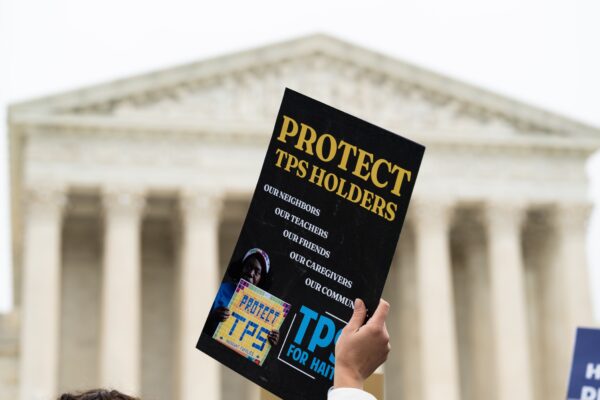
Mullin v. Dahlia Doe


Stay Informed
Sign up to be the first to hear about how to take action.
By completing this form, I agree to receive occasional emails per the terms of the ACLU’s privacy statement.
By completing this form, I agree to receive occasional emails per the terms of the ACLU’s privacy statement.